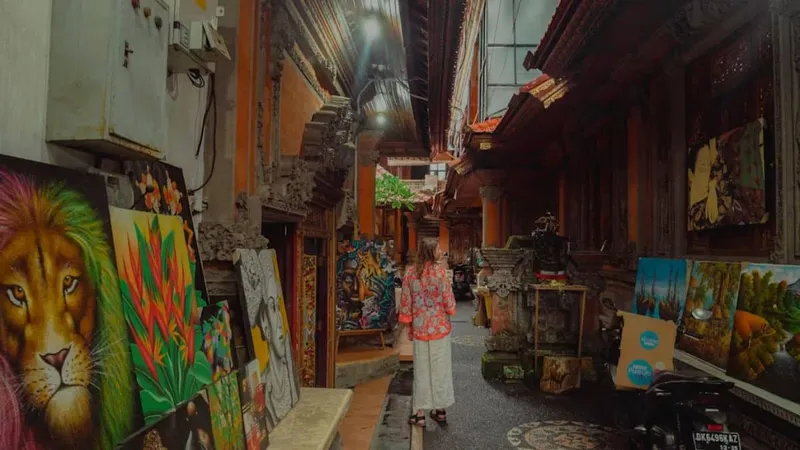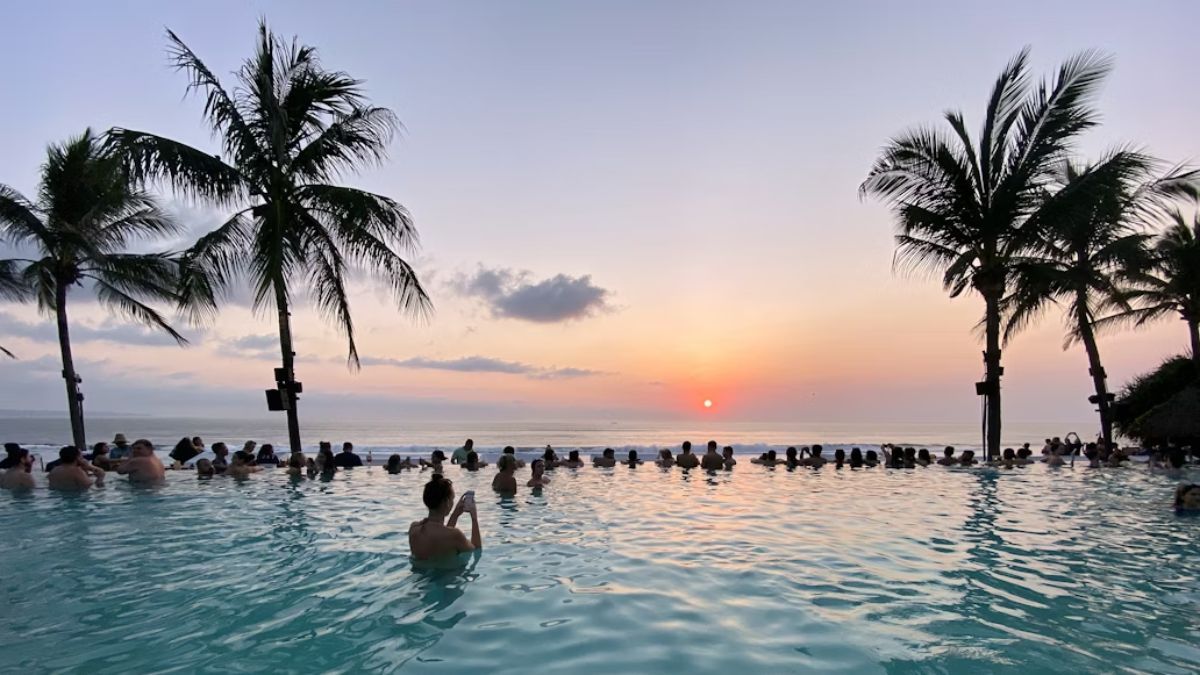
For years, Bali has been a magnet for surfers, entrepreneurs, retirees, creatives, and remote workers chasing a different kind of lifestyle. The island offers tropical weather year-round, a lower cost of living compared to many Western countries, and a community packed with people building businesses, working remotely, or simply trying to slow life down a bit.
But there’s one thing a lot of people realize after arriving: moving to Bali is completely different from vacationing there.
Spending two weeks sipping smoothies in Canggu or beach hopping around Seminyak feels easy. Building an actual life in Bali comes with visa rules, financial planning, cultural adjustments, traffic headaches, and day-to-day realities that many newcomers never see coming.
If you’re seriously considering moving to Bali, here’s what you need to know before packing your bags.
Why So Many People Are Moving to Bali
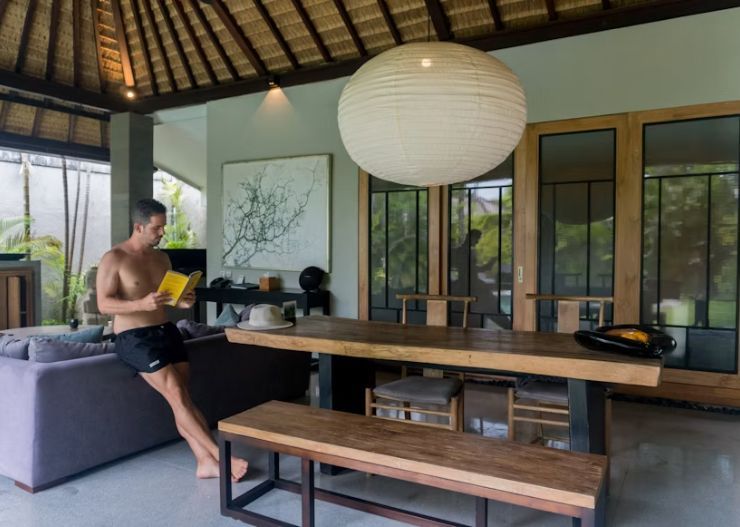
Bali continues to attract foreigners because it offers a combination that’s hard to beat in one destination:
- Lower living costs than many Western cities
- Warm tropical weather all year
- Strong café and coworking culture
- Large expat and digital nomad communities
- Surf, fitness, and wellness lifestyle
- Easy access to other Southeast Asian countries
For remote workers especially, Bali remains one of the world’s biggest digital nomad hubs. Areas like Canggu, Uluwatu, and Ubud have built entire ecosystems around international residents, complete with coworking spaces, gyms, cafés, wellness studios, networking events, and startup communities.
At the same time, Bali has changed a lot over the past few years. Traffic has become brutal in certain areas, rental prices have climbed fast, and Indonesian immigration authorities are cracking down harder on visa violations.
In other words, winging it isn’t the move anymore.
Understanding Bali’s Visa Options
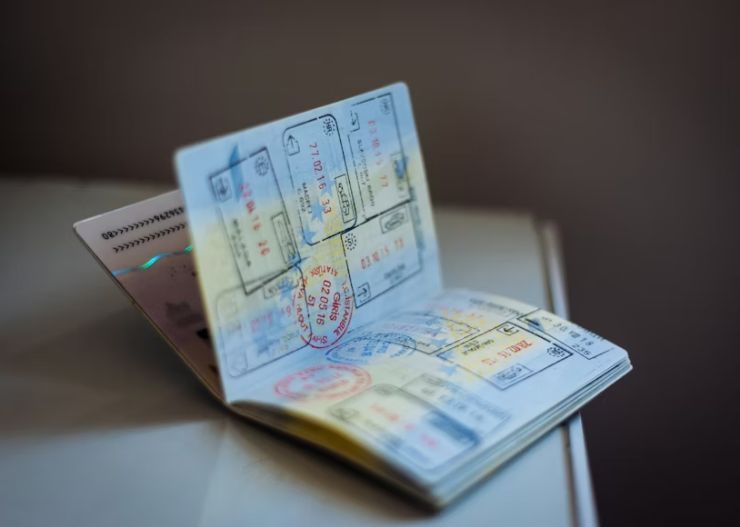
Before you start apartment hunting or planning daily surf sessions, there’s one reality you need to understand first: Indonesia doesn’t allow foreigners to casually relocate without the proper visa.
This is where many people hit a wall.
Authorities have become far stricter about foreigners working illegally on tourist visas, including people doing online business activities connected to Indonesian companies or promoting local businesses through social media.
That makes choosing the right visa extremely important when moving to Bali.
Common Visa Types for Expats in Bali
The best visa depends on how long you plan to stay and what kind of lifestyle you’re building in Indonesia.
Before choosing one, it’s important to understand that short-term tourist visas and long-term residence permits are completely different under Indonesian immigration law.
1. Tourist and Visit Visas
The B211A visit visa remains popular for medium-term stays. A lot of digital nomads use it to test out life in Bali before committing long-term. Depending on the visa type, some can be extended for up to roughly 180 days.
However, immigration officials are paying much closer attention to foreigners using tourist visas while conducting business-related activities.
Trying to game the system can get messy fast.
2. Remote Worker KITAS (E33G)
Indonesia’s Remote Worker KITAS, often called the digital nomad visa, allows eligible foreigners to live in Indonesia while working remotely for companies based overseas.
Requirements may include:
- Proof of overseas employment
- Minimum income requirements
- Financial documentation
- Valid passport and supporting paperwork
Under current guidelines, remote workers are not allowed to earn income directly from Indonesian clients or businesses under this visa category.
3. Retirement and Investment Visas
Retirees and business owners may qualify for other KITAS or investor visa options depending on their situation.
Since immigration policies change pretty often, many expats choose to work with licensed visa agents instead of trying to navigate the process solo. It saves a lot of stress and usually prevents expensive mistakes.
Cost of Living in Bali in 2026

One of the biggest reasons people consider moving to Bali is affordability. But Bali isn’t the dirt-cheap paradise many old YouTube videos still make it out to be.
Areas like Canggu, Seminyak, and Uluwatu have seen major price increases since tourism rebounded after the pandemic.
Even so, Bali can still cost significantly less than cities in the United States, Australia, or Western Europe depending on your lifestyle.
What Does It Actually Cost to Live in Bali?
Your monthly expenses depend heavily on:
- Location
- Housing style
- Dining habits
- Transportation
- Visa costs
- Health insurance
- Lifestyle expectations
Most expats living in Bali in 2026 typically spend somewhere between $1,500 and $4,000 per month.
One thing newcomers quickly realize is that local-style living and expat-style living come with completely different price tags.
- Budget lifestyle – A modest setup with local accommodations, scooter transportation, and frequent meals at local warungs may cost around $1,000 to $1,500 per month.
- Comfortable expat lifestyle – Many foreigners renting private villas and regularly eating at international cafés usually spend closer to $2,000 to $4,000 monthly.
- Luxury lifestyle – Luxury villas, private drivers, premium gyms, upscale restaurants, and international schools can easily push monthly costs beyond $5,000+ per month.
For most people moving to Bali, housing ends up being the biggest expense by far.
Best Areas to Live in Bali
Different parts of Bali offer completely different lifestyles. Picking the right neighborhood matters more than many people expect.
A place that feels exciting during a short vacation can feel exhausting after months of dealing with nonstop traffic, construction noise, and crowded streets.
1. Canggu
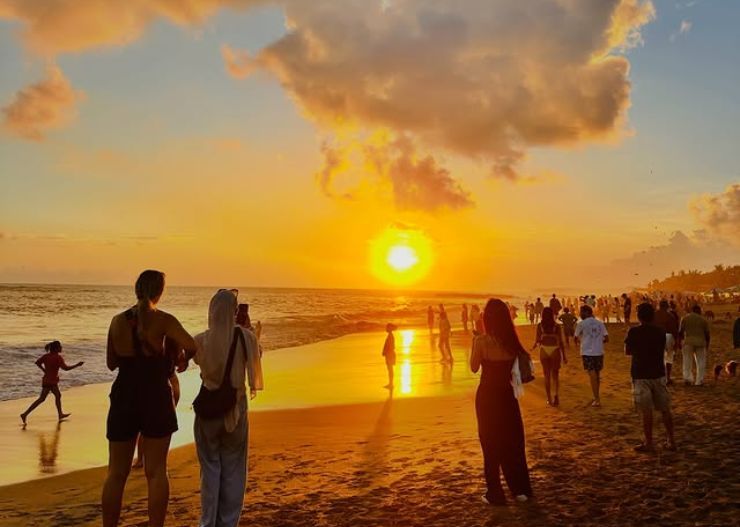
Canggu has become Bali’s unofficial digital nomad capital. It offers coworking spaces, trendy cafés, fitness gyms, beach clubs, and a large international community.
But there’s a tradeoff. Canggu is also one of Bali’s busiest and most overcrowded areas in 2026. Long-term residents frequently complain about traffic gridlock and overdevelopment.
Canggu works best for remote workers, entrepreneurs, social expats, and younger travelers
2. Ubud

Ubud attracts people looking for wellness culture, yoga, nature, and slower-paced living. It’s greener, quieter, and more culturally focused than southern Bali. On the flip side, inland areas tend to have more humidity, heavier rainfall, and more mosquitoes.
3. Uluwatu and the Bukit Peninsula

Uluwatu keeps growing in popularity thanks to surf culture, cliffside ocean views, new cafes and restaurants, and lower density compared to Canggu. The Bukit Peninsula generally feels drier, calmer, and less chaotic than central tourist areas.
4. Sanur
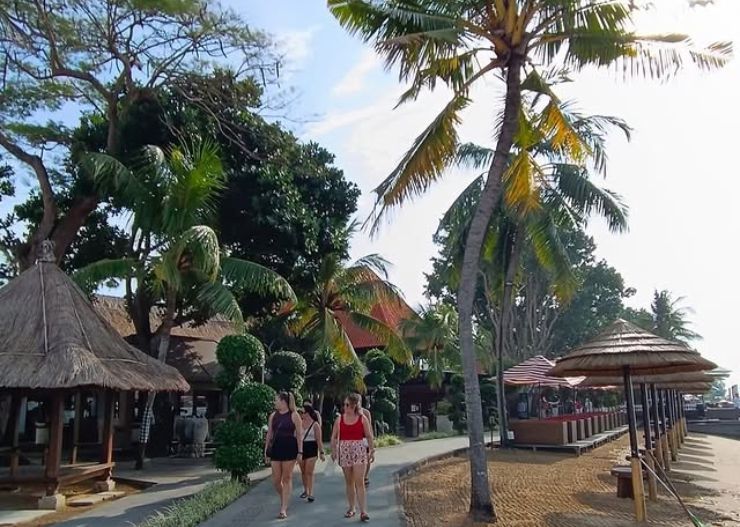
Sanur tends to attract families, retirees, and long-term expats. It offers a more relaxed atmosphere with better walkability and less nightlife compared to places like Canggu or Seminyak.
Healthcare and Insurance in Bali

Healthcare quality in Bali varies a lot depending on where you are.
International-standard hospitals and clinics exist around Denpasar and Kuta, but serious medical cases are sometimes transferred to Jakarta or Singapore for treatment.
Because of that, comprehensive international health insurance is highly recommended for anyone moving to Bali long-term.
Before relocating, make sure you understand:
- Which hospitals your insurance covers.
- Emergency evacuation policies.
- Coverage for scooter accidents.
Scooter crashes are one of the most common reasons foreigners end up needing medical care in Bali.
Cultural Adjustment Is Very Real
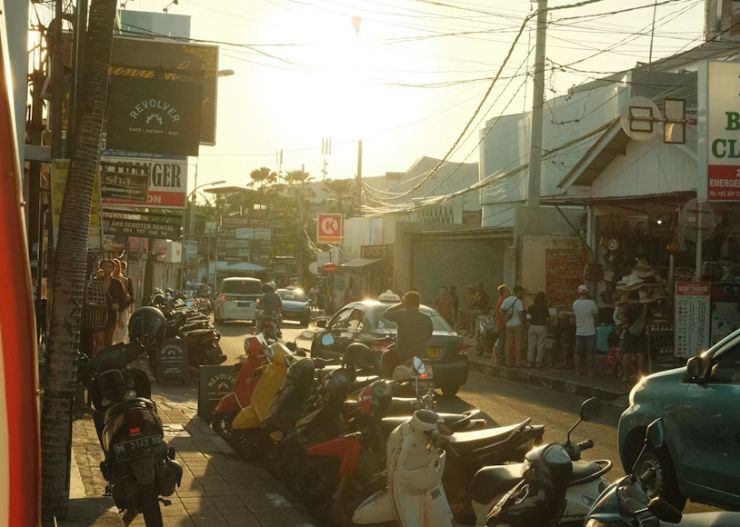
One of the biggest mistakes people make when moving to Bali is assuming island life will always feel like a vacation.
Long-term residents often mention challenges like:
- Traffic congestion
- Bureaucracy
- Infrastructure issues
- Power outages
- Flooding during rainy season
- Different construction standards
Expats across online communities regularly warn newcomers that living in Bali requires patience, flexibility, and realistic expectations.
At the same time, many foreigners genuinely fall in love with life there once they adapt.
Respecting Balinese culture matters a lot. Bali is deeply rooted in Hindu traditions, ceremonies, family structures, and local community customs. Foreigners who make an effort to understand and respect local culture usually settle in much more smoothly.
Bali Is More Than Just a Vacation Destination
Moving to Bali can absolutely be an incredible lifestyle decision, but it works best for people who approach it realistically instead of treating it like an endless vacation fantasy.
The island offers beautiful scenery, warm weather, strong communities, and a lifestyle many people find deeply fulfilling. But it also requires planning, legal compliance, financial preparation, and cultural adaptability.
If you take the time to choose the right visa, understand the real cost of living, secure proper insurance, and find the right area for your lifestyle, moving to Bali can still be one of the most rewarding relocation experiences out there.
FAQs
Something wrong? Tell us