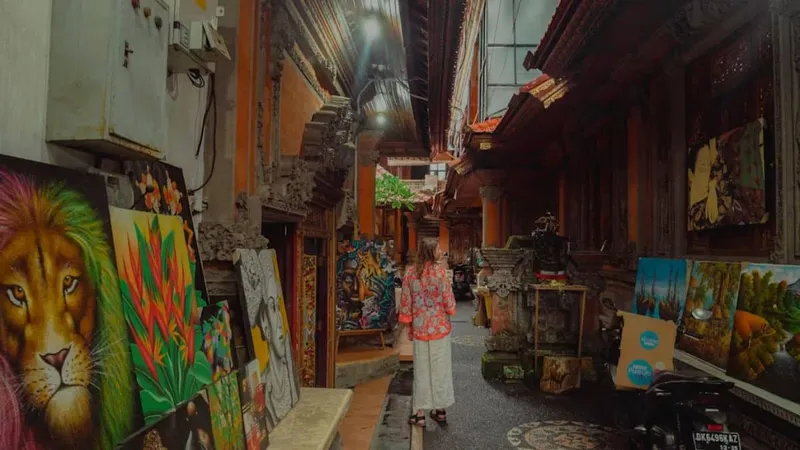
Hey there, future Bali nomad! So you’re thinking about packing your laptop and heading to the Island of the Gods? You’re definitely not alone. Bali has become the spot for remote workers from all over the globe, and honestly? It’s easy to see why.
Picture this: You’re wrapping up a Zoom call from a bamboo coworking space surrounded by rice paddies, then catching a sunset surf session before dinner at a beachfront warung. Sounds like a dream, right? Well, thousands of digital nomads in Bali are living this reality every single day.
Let’s break down what you actually need to know about becoming a digital nomad in Bali.
Why Bali is Still the Ultimate Remote Work Paradise

Let’s be real; Bali isn’t exactly a hidden gem anymore. But here’s the thing: even with all the hype, it still delivers. Here’s why so many people choose to become a digital nomad in Bali:
1. Your Money Goes Further
Sure, Bali’s gotten a bit pricier over the years (especially in hotspots like Canggu), but compared to living in the US or Europe? You’re still getting a better deal. You can grab a solid meal for under $5, find decent accommodation without draining your savings, and actually enjoy your weekends without checking your bank account.
2. The Community is Unreal
This island is packed with people who get it. Remote workers, entrepreneurs, freelancers, and creatives are all here. Networking events happen constantly, from casual coffee meetups to full-blown beach parties. Making friends who understand the nomad lifestyle? Super easy.
3. Workspaces Everywhere
Whether you’re into sleek coworking spaces or chill cafes with killer WiFi, Bali’s got you covered. Canggu and Ubud are basically coworking capitals at this point, with new spots popping up all the time.
4. Staying Active is a Breeze
Beyond the nightlife (which is definitely a thing), Bali’s fitness scene is next level. You’ve got CrossFit boxes, yoga retreats, surf breaks, hiking trails, and running clubs. Staying healthy here is actually fun.
5. Everything Just Works
After years of catering to tourists and expats, Bali’s infrastructure is pretty dialed in. Fast internet is standard, English is widely spoken in tourist areas, and you can find pretty much anything you need, from Western groceries to tech gear.
6. Something for Everyone
Surfer? Check. Yogi? Check. Partier? Check. Entrepreneur? Double check. No matter what you’re into, there’s a corner of Bali where you’ll fit right in.
7. Nature That Blows Your Mind
Beyond the lifestyle and cost benefits, Bali’s natural beauty is another major reason people stay longer than planned. When you need a break from your screen, Bali’s got everything; White sand beaches, jungle waterfalls, terraced rice fields, and even volcanic mountains.
Best Places to Live and Work Remotely From Bali
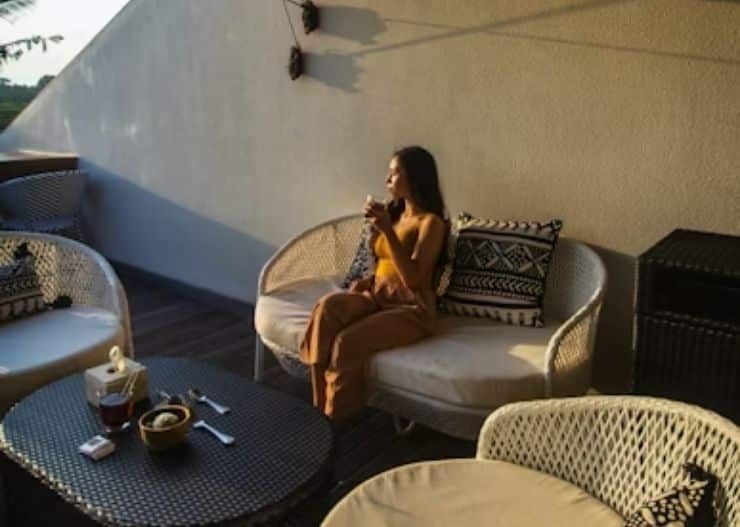
1. Canggu
What started as a sleepy surf town has exploded into Bali’s main hub for remote workers. Canggu is where you’ll find the highest concentration of coworking spaces, laptop-friendly cafes, and fellow nomads.
The social calendar here is packed—think networking breakfasts, pool parties, beach cleanups, and sunset sessions. If you want to mix productivity with an active social life, this is your spot. Fair warning: it can get crowded and traffic is no joke, but the energy here is infectious.
2. Ubud
Need a break from the Canggu chaos? Ubud offers a completely different vibe. Nestled in the jungle among rice terraces, this town is Bali’s wellness and spiritual heart.
You’ll find world-class yoga studios, meditation centers, and vegan cafes galore. The pace is slower, the air is fresher, and the creative energy is palpable. Plus, the WiFi is surprisingly solid, so you won’t sacrifice connectivity for serenity.
3. Uluwatu
Uluwatu is having a moment right now. Located at the southernmost point of Bali on the Bukit Peninsula, this area is drawing nomads looking for stunning beaches, great surf, and a more relaxed pace than Canggu.
The coworking scene is still developing here, but that’s changing fast. New cafes and workspaces are opening regularly, and the community is growing. If you want to get in before it gets too crowded, now’s the time.
4. Sanur
Traveling with kids? Sanur might be your answer. It’s not a traditional nomad hub, but there’s a solid expat community here, especially among families. The beaches are calmer, the vibe is more residential, and there’s even a school (Boundless Life) that caters to nomadic families.
Finding Your Home Base
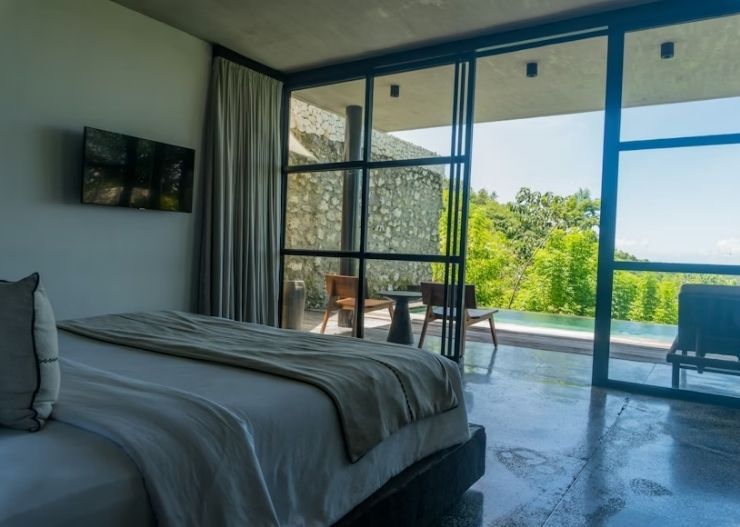
1. Homestays – Budget-Friendly and Authentic
Homestays are still one of the best deals on the island. These family-run guesthouses give you a private room, often with access to a shared kitchen and sometimes a pool. You’re supporting local families, getting insider tips, and paying way less than a hotel.
In Canggu or Ubud, expect to pay around 7-10 million IDR (430−615) per month for a decent homestay in 2026. Lock in a monthly rate for the best deal.
2. Villas – Living the Dream
Private villas are everywhere in Bali, and they range from simple one-bedrooms to absolute palaces. A nice one-bedroom villa in a good Canggu location will run you about 20-30 million IDR (1,200−1,850) monthly minimum.
Want to cut costs? Rent a room in a shared villa with other nomads. You can find options through Facebook groups sharing about Bali Rental Room or Cheap House.
3. Coliving Spaces – Instant Community
Coliving spots promise built-in friends from day one, and many are attached to coworking spaces. That said, they can be pricey; You’re often paying villa prices for just a room.
Honestly? You might be better off booking private accommodation and joining a coworking space separately. Meeting people in Bali is ridiculously easy if you put yourself out there.
4. Skip the Hostels (Unless You’re on Vacation)
Hostels in Canggu are great for backpackers, but terrible for getting work done. Zero sleep, zero productivity. If you’re serious about working remotely, invest in proper accommodation.
Getting Around the Island

1. Scooters
Most long-term nomads rent scooters for the freedom and flexibility. Daily rentals run about 60,000-80,000 IDR (4−5), while monthly rates are around 1-1.5 million IDR (60−95).
Only rent if you know what you’re doing. Bali’s roads are no joke—traffic is chaotic, and accidents happen. You need an International Driver’s Permit (IDP) and actual riding experience. If you’re new to scooters, take lessons first (Canggu Scooter Lessons is a solid option).
2. Ride-Hailing Apps
Not comfortable on two wheels? Grab and Gojek (Indonesia’s Uber equivalents) have your back. They’re affordable, reliable, and way safer than haggling with random taxis. You can book cars or scooter taxis (ojek) depending on your needs.
Just know that during heavy rain or peak times, you might wait a while for a driver.
Where to Work
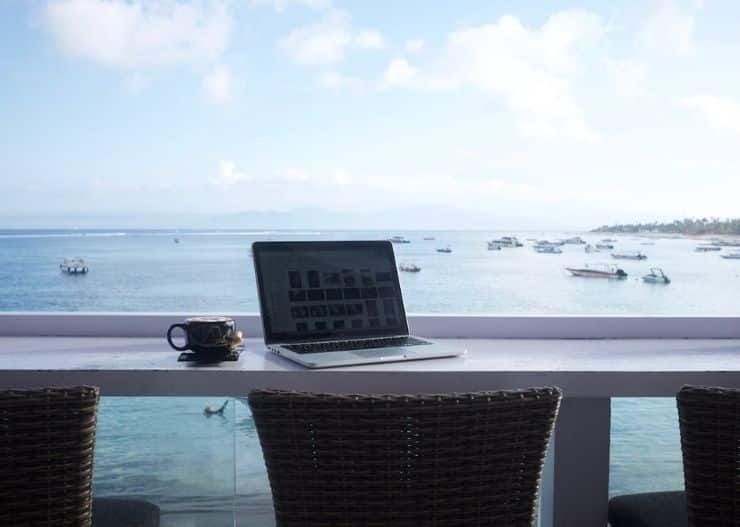
Bali’s workspace game is strong. Coworking spaces offer dedicated desks, meeting rooms, ergonomic chairs, and community events. Cafes are perfect for lighter work days or when you want a change of scenery.
Top Coworking Spots:
- BWork (Canggu) – Massive space with great vibes.
- Tropical Nomad (Canggu) – Community-focused with regular events.
- Biliq (Seminyak) – Sleek and professional.
- Outpost (Ubud) – Jungle views while you work.
- Monday (Uluwatu) – The new kid on the block.
- Livit Hub (Sanur) – Great for families.
Pro tip: If you’re working from cafes, be cool about it. Order food and drinks, don’t camp out for eight hours on one coffee, and tip well.
Visa Situation in 2026 (Updated!)

Here’s where things have changed significantly, so pay attention:
1. The E33G Remote Worker Visa (The Real Digital Nomad Visa)
Indonesia finally launched a proper digital nomad visa in 2024, and it’s called the E33G (also known as the Remote Worker KITAS). This is the visa most nomads are going for now.
What you need to know:
- Valid for 1 year, renewable once
- Costs around 7 million IDR ($430)
- Processing takes about 7-14 business days
- You can enter and exit multiple times
Requirements:
- Minimum annual income of $60,000 USD
- Employment contract with a company outside Indonesia
- Bank statements showing at least $2,000 in savings (last 3 months)
- Passport valid for 6+ months
- Health insurance covering Indonesia
Important: You cannot work for Indonesian companies or earn local income on this visa. It’s strictly for remote work with foreign employers.
2. Other Visa Options
- Visa On Arrival (VOA) – 30 days, extendable once for another 30 days. Good for short trips, but you can’t legally work on this visa (though many do in a gray area).
- B211A Single Entry Visa – 60 days initially, extendable twice for 60 days each (total 180 days). Single entry only—if you leave, you need a new visa.
- Multiple Entry Visa D1/D2 – Valid for 12 months, but you can only stay 60 days at a time. Good for nomads who want to bounce around Southeast Asia.
- Second Home Visa – This was originally hyped as a 5-year digital nomad visa, but the requirements are intense (proof of funds, property purchase, or large bank deposits). Not practical for most nomads.
Staying Connected: SIM Cards & e-SIMs
You’ve got two main options:
- Physical SIM Cards – Cheaper upfront, but there’s a catch. After 90 days, you need to register your phone’s IMEI number and pay import tax based on your phone’s value. For long-term stays, this gets annoying.
- e-SIMs (Recommended) – Providers like Airalo and Maya Mobile let you set up data before you even land. You can top up through the app, monitor your usage, and keep your home SIM in your phone for texts and calls. Way more convenient for nomads.
Local SIMs with unlimited data run about 150,000-200,000 IDR (9−12) per month.
Finding Your People
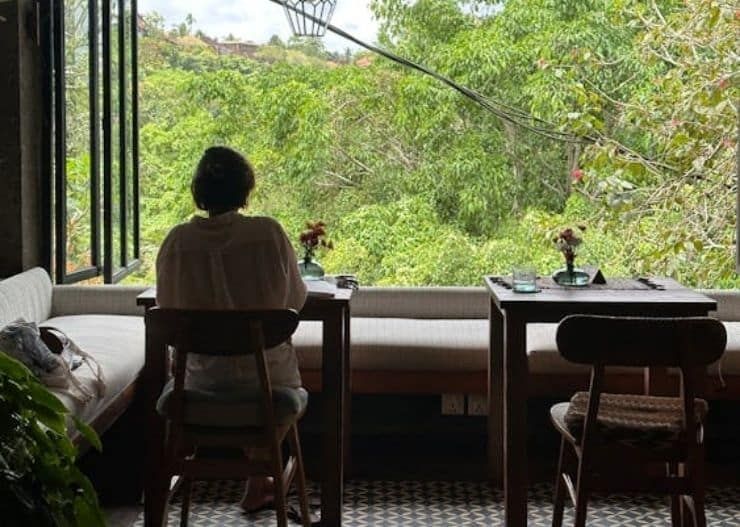
The digital nomad in Bali community is massive and super welcoming. Here’s how to plug in:
- Join a Coworking Space – Most host regular events, from skill-sharing sessions to Friday beers.
- Check Out Nomeo – This Bali-based community throws everything from brunches and dinners to massive parties. I’ve met some of my closest friends here.
- Facebook Groups – “Bali Digital Nomads” and location-specific groups are goldmines for recommendations and meetups.
- WhatsApp Chats – Once you’re on the ground, you’ll get added to various group chats for events, housing, and general banter.
What It Actually Costs (2026 Prices)

Bali’s gotten more expensive, but it’s still reasonable compared to Western cities. Here’s what you’re looking at in nomad hotspots like Canggu and Ubud:
Expense
Monthly Cost (USD)
Guesthouse/Homestay
400–650
Private Villa (1BR)
1,200–2,500+
Scooter Rental
60–95
Coworking Space
150–250
Gym Membership
50–150
Local Warung Meal
1.50–3
Western Restaurant Meal
5–15
Beer (local)
2–4
Realistic monthly budgets:
- Bootstrapper: 1,200–1,500
- Comfortable: 2,000–2,500
- Living Large: $3,500+
Being a Responsible Nomad

Look, Bali has a love-hate relationship with digital nomads these days. Here’s how to be part of the solution:
- Respect the Culture – This is a deeply spiritual Hindu island. Dress modestly at temples, learn a few Indonesian phrases, and don’t act like you own the place.
- Support Local Businesses – Sure, that Australian-owned cafe is Instagrammable, but the family warung down the street needs your business more.
- Don’t Overstay Visas – It creates problems for everyone and contributes to stricter regulations.
- Be Mindful of Housing – Long-term rentals are pricing out locals in some areas. Consider living slightly outside the main tourist zones.
- Give Back – Join beach cleanups, volunteer, or donate to local causes. Leave Bali better than you found it.
Ready to Make the Move?
Becoming a digital nomad in Bali is honestly one of the best decisions I’ve made. The combination of affordable living, incredible community, and paradise-level surroundings is hard to beat.
Is it perfect? No. The traffic sucks, the visa situation can be frustrating, and yeah, it gets crowded. But when you’re wrapping up work at 3 PM and heading to the beach for a sunset surf session? You’ll forget all about those hassles.
Pack your laptop, grab your sunscreen, and I’ll see you at the coworking space. Welcome to the island!
Something wrong? Tell us