For decades, Bali has been one of the world’s most desirable retirement destinations. Warm weather year-round, relatively affordable living costs, beautiful scenery, and a well-established international community continue to attract retirees from Australia, the United States, Europe, and increasingly from other parts of Asia.
But if you’re planning to retire in Bali in 2026, it’s important to separate the dream from the reality of everyday life here.
Yes, Bali can offer an incredible lifestyle. You can wake up near the beach, enjoy great food for reasonable prices, hire household help, and live at a slower pace that feels completely different from the stress back home. But long-term living in Bali also comes with visa rules, healthcare planning, rising rental costs, traffic headaches, infrastructure issues, and cultural adjustments that many people underestimate before moving.
The retirees who thrive here long term are usually the ones who arrive with realistic expectations instead of treating Bali like a permanent vacation.
If you’re seriously considering retirement in Bali, here’s what you actually need to know before making the move.
The Reality of Retiring In Bali
Bali can absolutely be an amazing place to retire, but like anywhere else, it comes with both advantages and compromises.
Some retirees move here and never want to leave. Others realize pretty quickly that paradise still comes with paperwork, traffic, and daily frustrations. The key is understanding both sides before committing to living here full time.
The Pros of Retiring In Bali
The biggest reason people retire in Bali is lifestyle quality.
1. Affordable Cost of Living
Compared to many Western countries, Bali still offers a relatively affordable cost of living while giving retirees access to modern comforts, private healthcare, beautiful scenery, and an active social life. Depending on your lifestyle and location, many retirees comfortably spend between $1,500 and $3,500 per month, including accommodation, transportation, dining, and healthcare.
Of course, costs can climb fast if you want luxury villas, imported products, or constant travel, but overall, Bali still offers strong value compared to major cities in the United States or Australia.
2. Affordable Household Help
Another huge advantage is affordable household help. Many retirees hire cleaners, gardeners, drivers, or part-time staff for prices that would feel impossible back home. For a lot of people, that alone becomes a massive lifestyle upgrade.
3. Tropical Climate
The climate is another major draw. Bali stays tropical year-round, which appeals to retirees tired of long winters and cold weather. Here, outdoor living naturally becomes part of your routine. Morning walks, beach sunsets, cafes, yoga classes, and open-air restaurants quickly become everyday life.
4. Modern Healthcare
Healthcare in Bali has also improved significantly over the last decade. While Bali is not competing with Singapore for world-class medical care, the island now has several modern international clinics and hospitals serving expats and retirees.
5. International Retirement Community
One of the strongest advantages of retiring in Bali is the established international community. There’s already a large international retirement community here, so meeting people feels much easier compared to moving somewhere completely unfamiliar.
The Cons of Retiring In Bali
At the same time, Bali is not paradise every single day.
1. Traffic Congestion
Traffic has become one of the island’s biggest frustrations, especially in southern areas like Canggu, Seminyak, and parts of Uluwatu. Infrastructure development hasn’t fully kept pace with tourism growth, and short drives can sometimes turn into surprisingly long trips.
2. Bali isn’t That Cheap
Rising living costs are another reality many retirees don’t expect. Bali is still cheaper than many Western countries, but prices in expat-heavy areas have increased sharply since 2021, particularly for villas, imported groceries, and western-style dining.
3. Healthcare Issue
Healthcare quality can also vary depending on your needs. Routine care is generally affordable and accessible, but retirees with serious medical conditions sometimes travel to Singapore, Bangkok, or Kuala Lumpur for advanced treatment or complex surgeries.
4. Visa and Tax
Then there’s the visa and tax side of things, which many people underestimate before relocating.
Indonesia’s immigration system changes regularly, and long-term residency requires proper planning. Depending on your visa type and home-country tax treaties, becoming an Indonesian tax resident may also create worldwide income reporting obligations.
And finally, Bali is still Indonesia. Things occasionally move slower than many Western retirees expect. Bureaucracy can feel messy, infrastructure isn’t always perfect, and some systems simply don’t operate with the same efficiency people may be used to back home.
If you can adapt to that instead of fighting it every day, you’ll probably do just fine here.
Visa Options To Retire In Bali (Retirement Visa)
If you want to legally retire in Bali, understanding Indonesia’s visa system is one of the first things you’ll need to figure out.
Indonesia currently offers several long-stay visa pathways for foreigners, but the two most common options in 2026 are:
- Retirement KITAS
- Second Home Visa
The Retirement KITAS remains the most popular option for older foreigners planning retirement in Bali long term.
As of 2026, the general requirements usually include:
- Minimum age requirement, commonly around 55 or 60 depending on current regulations
- Proof of stable income or pension
- Valid health insurance
- Passport validity requirements
- Proof of accommodation in Indonesia
- Commitment not to work in Indonesia
Several visa advisory sources also mention financial proof requirements such as:
- Around USD 3,000 monthly income, or
- Significant savings depending on the application pathway
Meanwhile, Indonesia’s Second Home Visa offers longer-term residency but comes with much higher financial requirements.
Most applicants must show proof of approximately IDR 2 billion, or roughly USD 130,000, in qualifying funds or Indonesian assets.
The good news is that Indonesia has become much more structured and welcoming toward long-term foreign residents compared to the old “visa run” days many expats relied on years ago.
Still, regulations change often, so retirees should always verify the latest rules with licensed visa agents, immigration consultants, or official Indonesian immigration channels before relocating permanently.
Trust me, this is not the part of the process where you want to guess your way through it.
Best Areas to Retire in Bali
One of the biggest decisions you’ll make when planning to retire in Bali is choosing where to actually live.
Different parts of the island offer completely different lifestyles, and the right location depends heavily on what kind of retirement experience you want.
Some retirees want beach walks and cafes. Others want rice field views and peace and quiet. Some want nightlife and social scenes nearby, while others are trying to get as far away from tourist crowds as possible.
1. Sanur
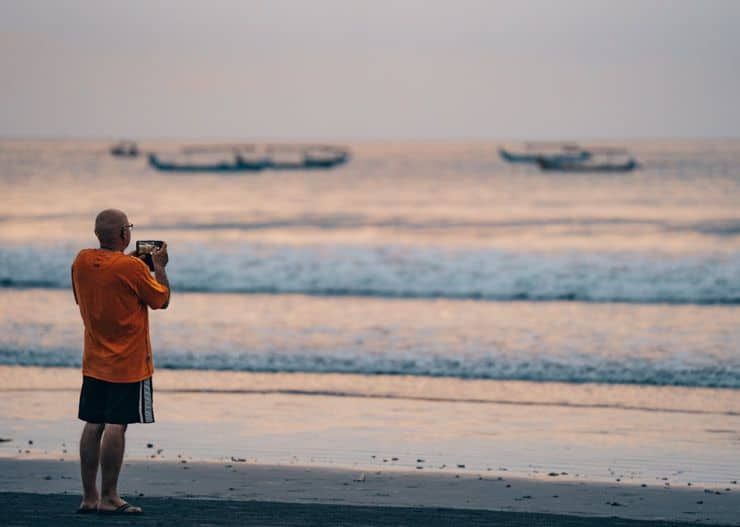
For many retirees, Sanur remains the best overall place to retire in Bali.
The atmosphere is calmer than Canggu or Seminyak, traffic is more manageable, and the area has excellent infrastructure for long-term living. You’ll find:
- International clinics
- Supermarkets
- Beachfront walking paths
- Restaurants and cafes
- Established expat communities
- Easier access to hospitals and the airport
Sanur also attracts a slightly older crowd compared to Bali’s digital nomad hotspots, which many retirees appreciate. It feels relaxed without feeling isolated.
The beachfront promenade is especially popular for morning walks, cycling, and sunset strolls.
2. Ubud
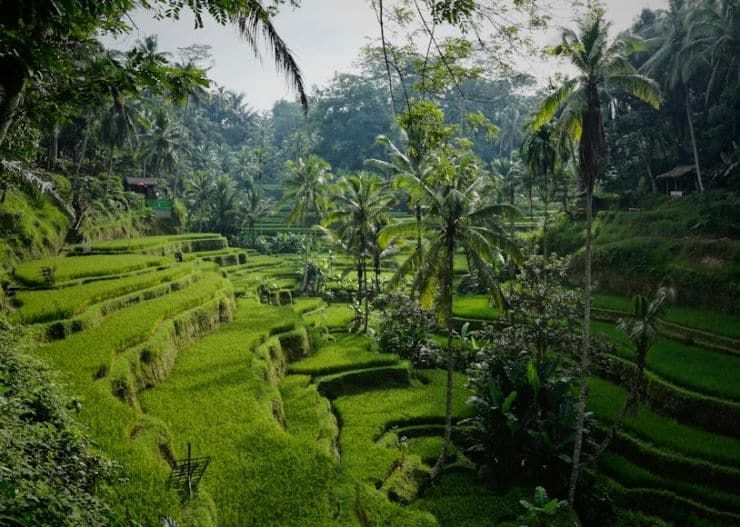
Ubud attracts retirees looking for greenery, wellness culture, art, and a slower pace of life.
The area is surrounded by rice fields, yoga studios, cafes, art galleries, and wellness retreats. Retirees interested in meditation, healthy living, spirituality, or creative communities often end up loving Ubud.
That said, traffic around central Ubud has gotten noticeably heavier in recent years. Living slightly outside the center usually creates a much better experience overall.
Ubud also works especially well for retirees who prefer slightly cooler temperatures since the area sits at a higher elevation than coastal Bali.
3. Lovina
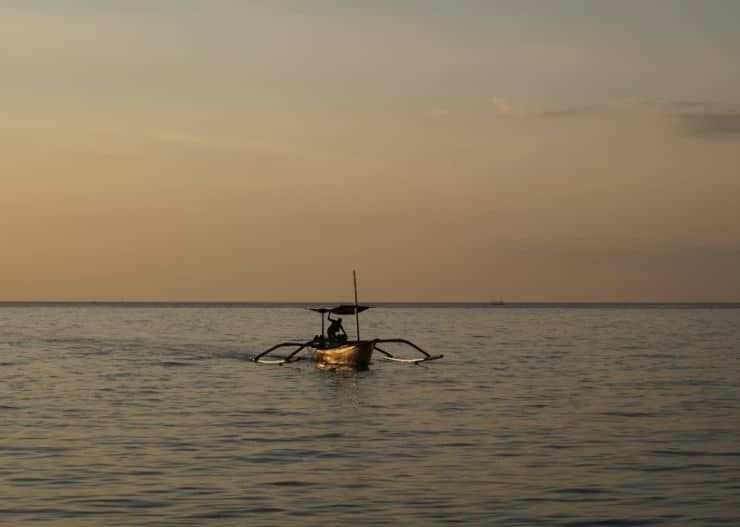
North Bali has quietly become more popular among retirees looking for affordability and peace.
Lovina offers:
- Lower rental prices
- Less traffic
- Slower tourism growth
- Calm beaches
- More local atmosphere
The trade-off is healthcare access. Medical infrastructure in North Bali is still more limited compared to southern Bali, so some retirees travel south for specialist appointments or advanced treatment.
Still, for retirees prioritizing tranquility and lower living costs, Lovina remains one of the most underrated places to retire in Bali.
4. Canggu And Seminyak

These areas are generally less ideal for retirement unless you specifically want a highly social and active lifestyle.
Yes, they offer great restaurants, modern gyms, shopping, nightlife, and large expat communities. But they also come with heavier traffic, rising prices, nonstop construction, and crowded tourist areas.
Some younger retirees still love the energy and convenience. Others get burned out on it pretty quickly.
It really depends on your personality and what kind of retirement lifestyle you want.
Can Foreigners Own Property In Bali?
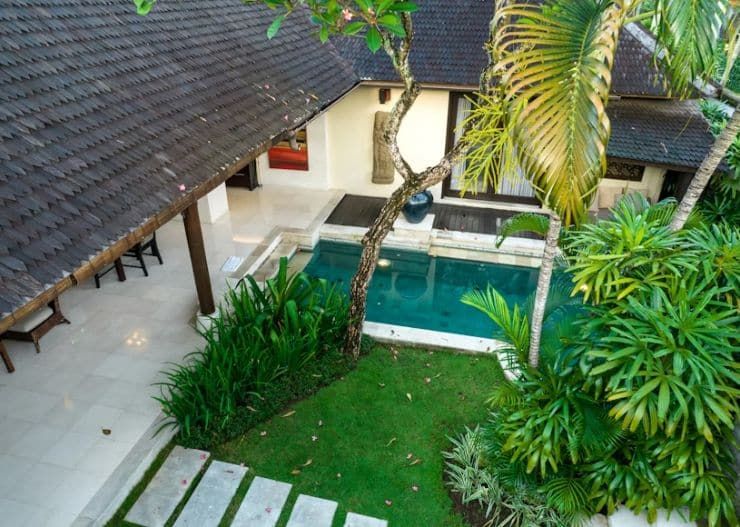
This is one of the most misunderstood parts of planning retirement in Bali.
Foreigners generally cannot directly own freehold land in Indonesia under Hak Milik ownership laws.
Instead, most foreign retirees use:
- Leasehold agreements
- Hak Pakai (Right to Use)
- PT PMA structures for investment-related ownership
For retirees simply looking for a home, leasehold agreements remain the most common and safest option.
Honestly, many retirees choose to rent long term instead of buying because:
- It avoids legal complications
- Property regulations can change
- Bali’s real estate market can feel speculative in some areas
- Maintenance is easier through managed rentals
One thing to be extremely cautious about is nominee arrangements, where Indonesian citizens unofficially hold property on behalf of foreigners. Authorities have increased scrutiny around these setups in recent years.
The safest move is always working with experienced legal professionals who specialize in Indonesian property law.
Healthcare In Bali For Retirees

Healthcare is one of Bali’s biggest advantages for retirees compared to countries with extremely expensive medical systems.
Routine doctor visits, dental work, blood tests, physiotherapy, and specialist consultations are often dramatically cheaper than in places like the United States or Australia.
International-standard clinics have expanded rapidly across Bali, especially in:
- Sanur
- Denpasar
- Ubud
- Kuta area
Many retirees use a combination of:
- International health insurance
- Local private clinics
- Out-of-pocket payments for smaller treatments
For routine healthcare, Bali is usually more than sufficient.
However, retirees with serious medical conditions should still understand that advanced surgeries or highly specialized treatment may require travel to Singapore, Bangkok, or Kuala Lumpur.
Health insurance remains strongly recommended no matter your age or visa type.
Retirement Community And Social Life

One of the biggest reasons people successfully retire in Bali long term is the social side of life here.
Retirement abroad can feel isolating in some countries, but Bali already has large international communities that have been growing for decades.
In places like Sanur and Ubud, retirees regularly join:
- Social clubs
- Fitness groups
- Yoga classes
- Community dinners
- Expat meetups
- Charity organizations
- Language exchanges
Because Bali is already such an international destination, building friendships here tends to happen pretty naturally.
At the same time, retirees who embrace Balinese culture usually end up having the most rewarding experience overall. Learning basic Bahasa Indonesia, respecting ceremonies, and understanding local customs goes a long way.
Bali is not just a tropical retirement destination built for foreigners. It’s a deeply cultural island with strong traditions and community values.
Retirees who genuinely embrace that side of Bali are usually the ones who end up staying much longer than they originally planned.
Something wrong? Tell us