
You’ll notice pretty quickly after arriving in Bali that service here feels different. It’s warm, genuine, and often goes beyond what you expect. Your driver might wait patiently while you explore a temple, your server remembers your order without writing it down, and your villa staff greets you like family by day two.
Naturally, that raises the question: what’s the right way to handle tipping in Bali?
The answer is less rigid than in countries like the United States. There’s no fixed rulebook, no pressure, and no standard percentage you’re expected to follow. But there is a local rhythm to it that you should understand if you want to travel respectfully and confidently.
In this post, we’ll break everything down for you.
Do You Need to Tip in Bali?

The short answer is no, tipping in Bali is not mandatory.
In most places, especially restaurants and hotels, a service charge of around 5-10% is already included in your bill. This is typically combined with government tax, bringing the total additional charge to about 10-21%. Because of this, staff are receiving a portion of your payment as service compensation.
That said, tipping in Bali is still appreciated, especially when you receive really good service. It’s more like a token of appreciation rather than a requirement.
A simple way to look at it is this:
- No one is going to chase you down for not tipping
- But leaving a small tip for great service definitely earns you smiles
For many travelers, tipping becomes a way to acknowledge friendliness, effort, or going above and beyond.
Who Should You Tip in Bali?
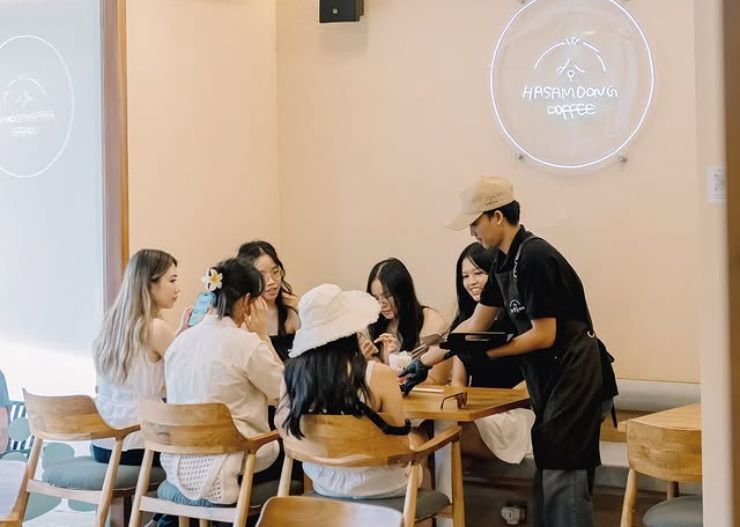
While tipping isn’t required everywhere, there are certain situations where it’s more common and honestly, more meaningful.
In mid-range to high-end restaurants, tipping is optional if your bill already includes a service charge. However, if your server made your experience better, leaving a small extra tip is always appreciated.
Drivers are one of the most often tipped service providers. Whether you’re using a private driver for a trip or transfer, tipping is a nice way to recognize their time, patience, and local knowledge.
Hotel staff are also commonly tipped in Bali, particularly:
- Bellhops who handle your luggage.
- Housekeeping staff
- Concierge or butler services in higher-end hotels
Tour guides, spa therapists, and specific activity instructors (like surf coaches or diving guides) are also part of the tipping culture in Bali. These roles often involve personalized service, and tips are a common way to say thanks.
In general, tipping in Bali follows this simple rule:
If someone provides a personal service that improves your experience, a tip is appreciated. But it’s still completely optional.
How Much to Tip in Bali?
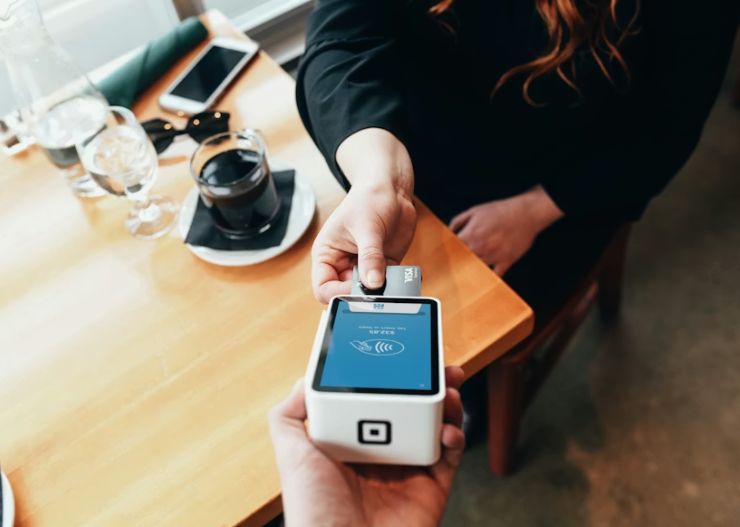
When it comes to amounts, tipping here is flexible. There’s no strict percentage rule like in the United States, which actually makes things easier.
For restaurants, if a service charge is already included, you don’t need to add much. Rounding up the bill or leaving around 5-10% extra for excellent service is more than enough.
For drivers, tipping usually depends on the duration of the service. For example:
- Short rides: around 10,000-20,000 IDR
- Half-day driver: 50,000-100,000 IDR
- Full-day driver: 100,000-200,000 IDR
For hotel staff, small tips go a long way. Housekeeping staff typically receive around 10,000-20,000 IDR per day, while bellhops might receive a similar amount per service.
Spa therapists and tour guides are often tipped around 10-15% of the service cost if you’re happy with the experience.
The key thing to remember is that the local tipping culture is about appreciation, not obligation. Even small amounts are meaningful, especially considering the local cost of living.
Tipping in Bali: Cash or Digital?
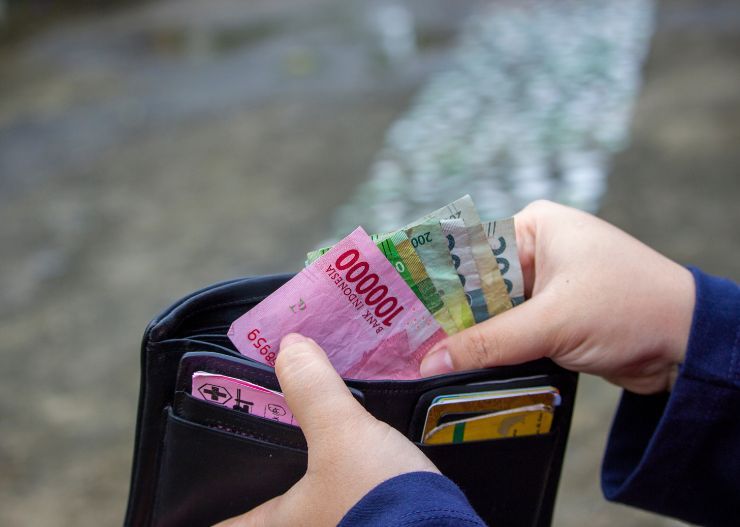
When it comes to tipping in Bali, cash is the best option.
Most tips are given in Rupiah, and it’s always a good idea to carry small bills for this purpose. This makes it easier to tip casually without needing change.
While digital payments are widely used in Bali, especially through apps and card payments, tipping digitally is not really common. In most cases, staff may not directly receive digital tips, especially in smaller businesses.
For convenience, always keep some small cash like:
- 10,000 IDR
- 20,000 IDR
- 50,000 IDR
These are perfect for everyday tipping situations.
If you’re paying by card at a restaurant, you can sometimes add a tip, but it’s still more common and often preferred to leave cash on the table.
Common Mistakes When Tipping in Bali
Even though tipping culture here is really simple, there are some common mistakes that travelers make, especially if they’re used to different tipping cultures.
One of them is double tipping without realizing it. Many restaurants already include a service charge, so adding another 10-20% on top isn’t necessary unless the service was exceptional.
Another common mistake is tipping too much or too little without context. While generosity is appreciated, extremely high tips can sometimes feel out of place. On the flip side, leaving very small amounts (like coins) can come across as careless.
Some travelers also sometimes forget to carry small cash, which makes tipping inconvenient. Bali is still very much a cash-based tipping culture, so relying only on cards can limit your ability to tip when you want to.
There’s also the occasional misunderstanding about who to tip. Not every situation requires a tip. For example, tipping in small local eateries (warungs) is not expected, though it’s still appreciated.
Lastly, one subtle mistake is treating tipping like a strict rule. Unlike in the United States, tipping in Bali is not a fixed system. It’s more about reading the situation and responding naturally.
Final Take
Tipping in Bali is refreshingly simple once you understand the local culture. It’s not about strict percentages or social pressure, but about appreciation and respect. While service charges are often already included, leaving a small tip for great service is always a thoughtful gesture that goes a long way.
As you travel around the island, you’ll find that even a modest tip can create a more genuine and personal connection with the people who make your trip memorable.
Something wrong? Tell us