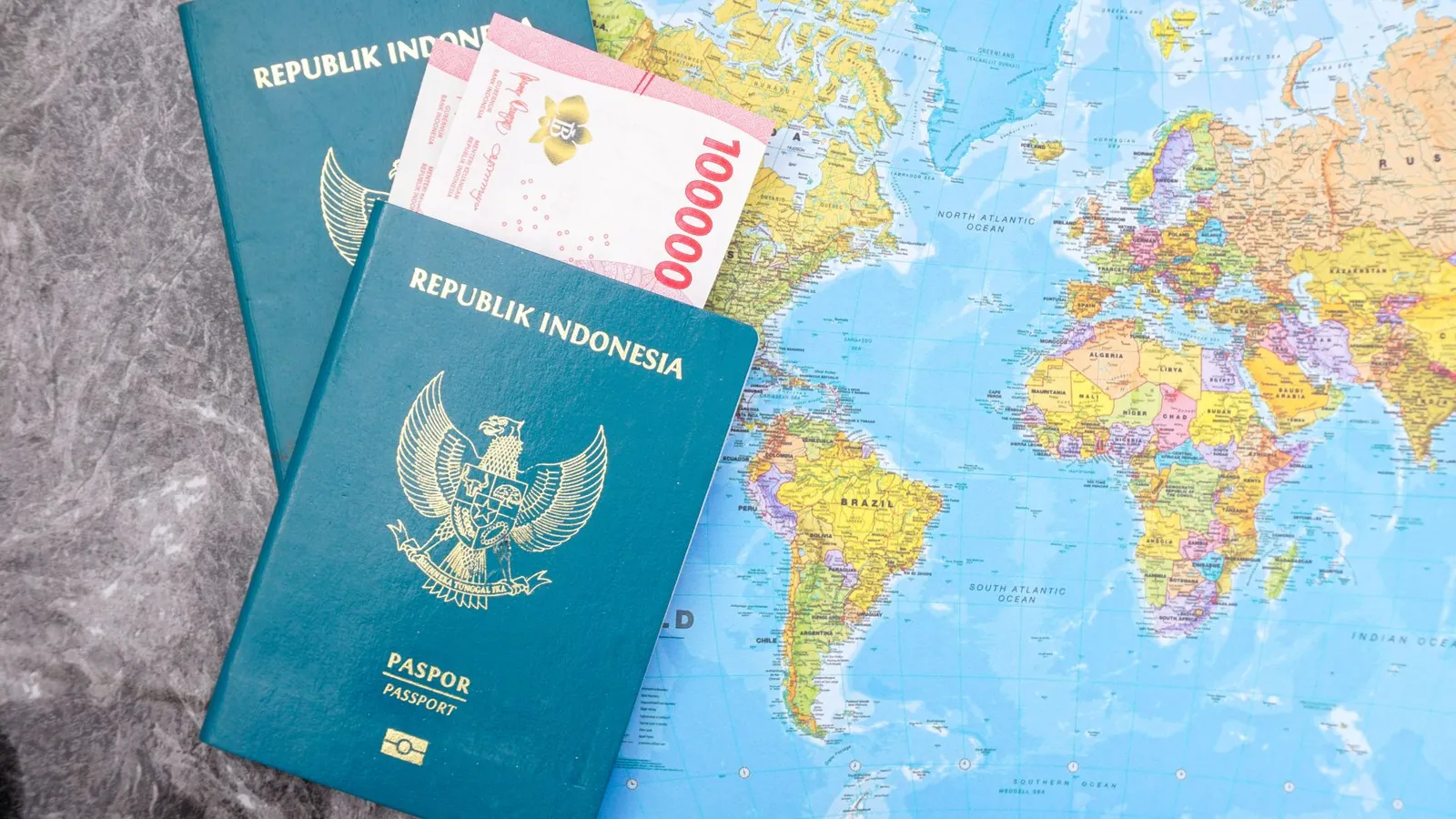
Bali uses the Indonesian rupiah (IDR, written Rp). Cards and QR payments work in hotels, malls and most cafés, but warungs, markets, parking, temple gates and drivers still want cash. Here is how to get rupiah without losing money on the way.
- When
- Get most of your money in town, not at the airport
- Where
- Bank ATMs, or changers licensed by Bank Indonesia
- Price
- About IDR 18,000 to the US dollar (November 2026)
- Best time
- Daytime, at ATMs inside banks or malls
The rupiah
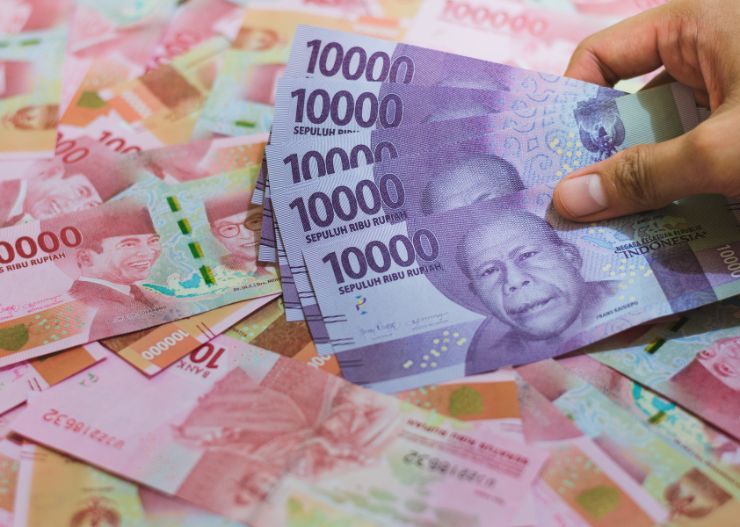
Notes come in 1,000, 2,000, 5,000, 10,000, 20,000, 50,000 and 100,000; coins exist but are rarely used. On 2 November 2026 Bank Indonesia’s reference rate was IDR 18,161 to the US dollar, so IDR 100,000 is about USD 5.50. The rupiah has weakened over the past year, so older conversions are out of date. Bali’s rules for visitors ask you to pay in rupiah.
Do you need cash?
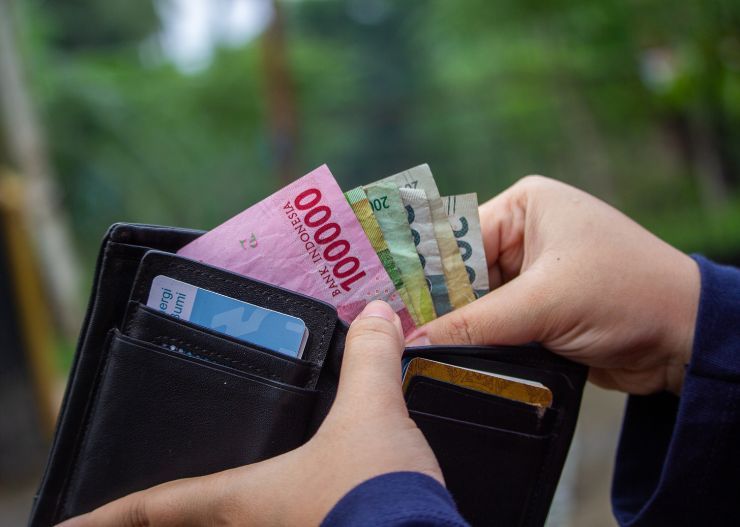
Yes. Carry small notes for warungs, markets, parking attendants, temple entry, the Kecak and tips. Hotels, malls, supermarkets and larger restaurants take Visa and Mastercard; smaller places may add 2 to 5 per cent, and American Express is taken less often. Keep extra cash for Nusa Penida and the villages.
ATMs
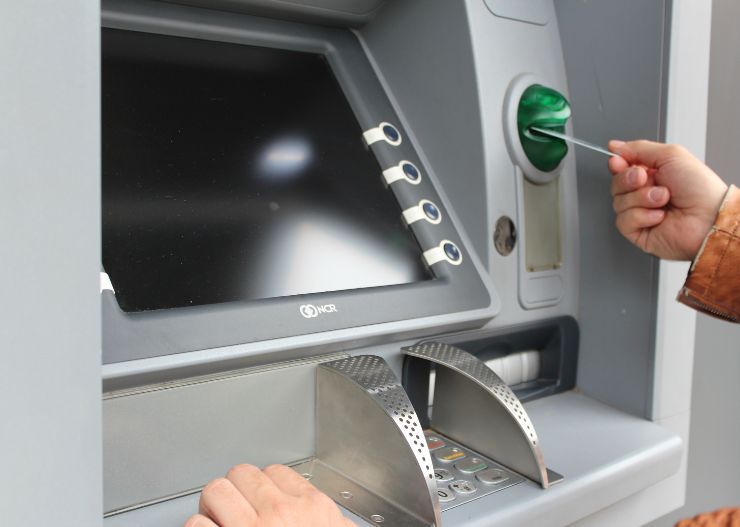
Use ATMs inside banks, malls, supermarkets or the airport, run by big banks such as BCA, Mandiri, BNI and BRI. Most pay out IDR 1,250,000 to 3,000,000 per withdrawal. Your bank charges its own fees and some Indonesian banks add a flat fee for foreign cards, so read the screen before you confirm. When the machine offers to charge you in your home currency, say no.
Cards and QRIS
QRIS is Indonesia’s national QR code, and you see it everywhere, from warungs to fruit stalls. Visitors from Malaysia, Thailand, Singapore, South Korea, Japan and China can scan it with their home banking app. Everyone else pays by card or cash, or sets up a local wallet such as GoPay, which usually needs an Indonesian phone number. On a short trip, a card and cash are enough.
Changing money safely
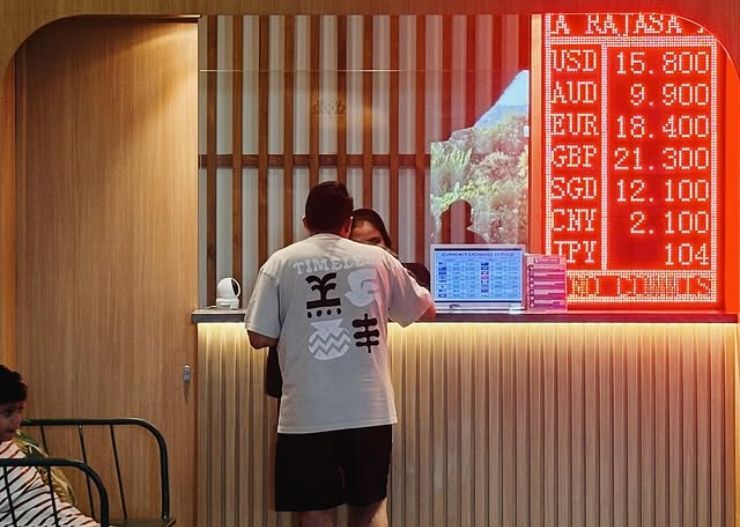
Change foreign cash at a licensed changer, not a booth in a phone shop or tour desk. Licensed ones display Bank Indonesia’s licensed-changer (KUPVA) logo with a QR code you can scan, their Bank Indonesia certificate and an “Authorized Money Changer” sign, and Bank Indonesia’s map at moneychangerbali.com shows the nearest. Airport counters are fine for a first taxi fare, but rates are better in town. Bring clean, undamaged notes: torn ones are refused or get a lower rate.
How the counting trick works
The board shows a rate better than everyone else’s. You count the notes, the cashier takes the pile back “to check”, and a few notes disappear before it comes back. Some booths also add a commission they didn’t mention.
Do
- Check the live rate on your phone before you go
- Ask for the total in rupiah before you hand anything over
- Count the money yourself, at the counter
- Keep the receipt
Please don’t
- Hand the money back once you’ve counted it
- Trust a rate far above the other boards
- Change money where there’s no Bank Indonesia logo
Bargaining
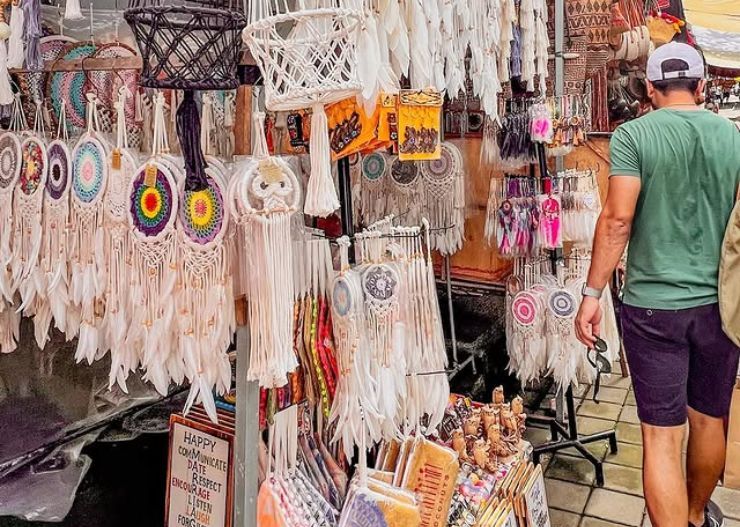
Haggling is normal at markets and small souvenir, clothes and craft shops: start lower, smile, and walk away if it doesn’t work. Prices are fixed in restaurants, cafés, supermarkets, malls and hotels.
Questions people ask
What currency is used in Bali?
The Indonesian rupiah (IDR). Pay in rupiah, not dollars.
Is it better to exchange money or use an ATM in Bali?
For most visitors a bank ATM, charged in rupiah, is simplest. If you bring cash, change it at a licensed changer in town rather than at the airport.
How do I know a money changer is licensed?
Look for Bank Indonesia’s licensed-changer logo with a QR code, the Bank Indonesia certificate and an “Authorized Money Changer” sign, or check moneychangerbali.com.
Can tourists pay with QRIS?
Yes, if your home app is from Malaysia, Thailand, Singapore, South Korea, Japan or China. Others use a card, cash or a local wallet.
Updates
- Saturday 14 NovRewritten for 2026: the current rate, licensed changers and the QR check, QRIS for visitors and how the counting trick works.
Something wrong? Tell us