There’s a reason Bali keeps showing up on travel bucket lists year after year. The island has this crazy-good mix of tropical beaches, ancient temples, volcanoes, jungle waterfalls, luxury resorts, and one of the richest cultural identities in Southeast Asia. But sightseeing in Bali isn’t just about snapping Instagram photos anymore. Today, travelers want experiences that actually feel authentic, memorable, and worth the flight halfway across the world.
The good news? Bali still absolutely delivers.
The tricky part is figuring out where to go, when to go, and how to avoid the classic tourist mistakes that can turn an amazing vacation into hours of traffic, packed attractions, and overpriced tourist traps.
In this guide, we’ll break down the best way to experience Bali, including the island’s top sightseeing regions, iconic landmarks, local etiquette, transportation tips, and updated travel info you’ll want to know before landing.
Key Takeaways
- Explore Bali by region, not all at once. Traffic can be heavy, so focusing on one area at a time makes sightseeing more enjoyable and less stressful.
- Each part of Bali offers something different. South Bali is known for beaches and nightlife, Central Bali for culture and rice terraces, East Bali for temples and volcanoes, and North Bali for waterfalls and mountain scenery.
- Start early and respect local customs. Visiting attractions in the morning helps you avoid crowds, while following temple etiquette ensures a more respectful travel experience.
- The best sightseeing in Bali goes beyond famous landmarks. Some of the island’s most memorable moments come from local culture, hidden spots, and experiences between destinations.
You Need to Understand Bali Before Exploring
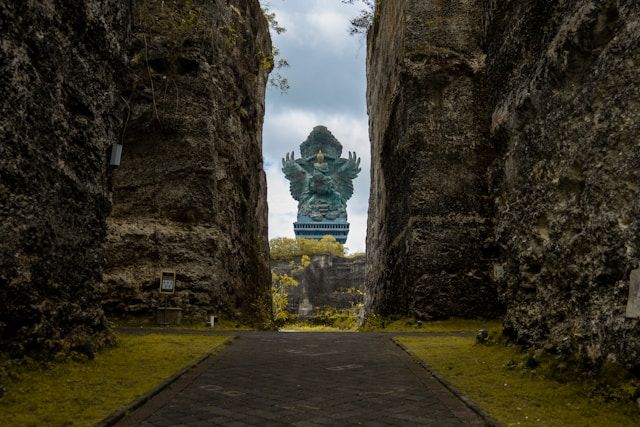
One of the biggest mistakes first-time visitors make is assuming Bali is a tiny island where everything is close together. On a map, it might look that way. In reality, traffic in Bali can get brutal, especially in busy southern areas like Seminyak and Canggu.
That “quick” 30-minute drive? Yeah, sometimes it turns into a two-hour adventure real fast.
That’s why sightseeing in Bali works best when you explore one region at a time instead of trying to cram the entire island into a couple of day trips.
Generally, Bali can be divided into five main sightseeing areas:
- South Bali for beaches, nightlife, and beach clubs
- Central Bali for culture, temples, and rice terraces
- East Bali for volcano views and quieter coastal scenery
- North Bali for waterfalls and mountain landscapes
- West Bali for nature and fewer crowds
Once you understand the island’s rhythm, Bali becomes way more enjoyable and honestly a lot less stressful.
South Bali: Beaches, Clifftops, and Modern Bali
For most travelers, South Bali is the first introduction to the island. This is where you’ll find Bali’s international airport, major resorts, beach towns, and some of the island’s most famous coastal views.
1. Seminyak and Canggu
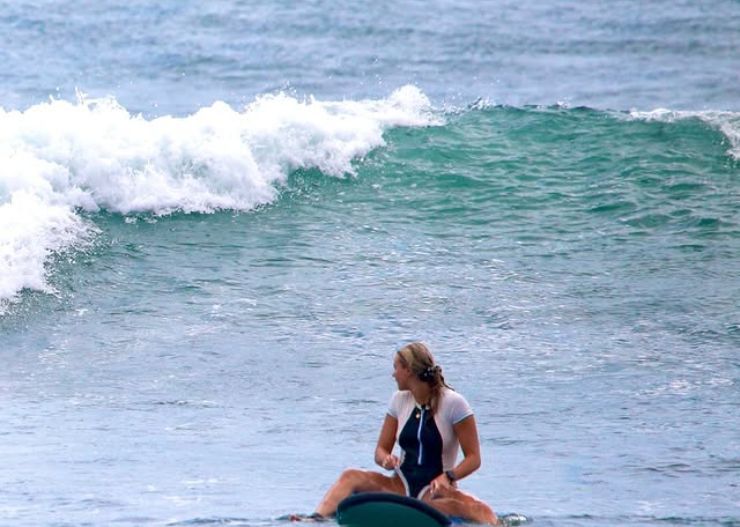
Seminyak and Canggu have basically become Bali’s modern lifestyle playgrounds. Think trendy cafés, surf culture, boutique hotels, smoothie bowls everywhere, beach clubs pumping music at sunset, and digital nomads typing away on laptops five feet from the ocean.
Canggu especially has exploded over the past few years. Surfers, remote workers, influencers, and long-stay travelers from all over the world have turned it into one of Bali’s busiest hotspots.
Is it touristy? Definitely.
Is it still fun? Absolutely.
If you enjoy nightlife, restaurants, shopping, and easy beach access, these areas are still worth checking out. Just don’t expect untouched traditional Bali vibes here anymore.
One thing to know before planning your days: traffic can get wild. If you’re staying in Canggu or Seminyak, start your sightseeing in Bali early in the morning whenever possible.
2. Uluwatu
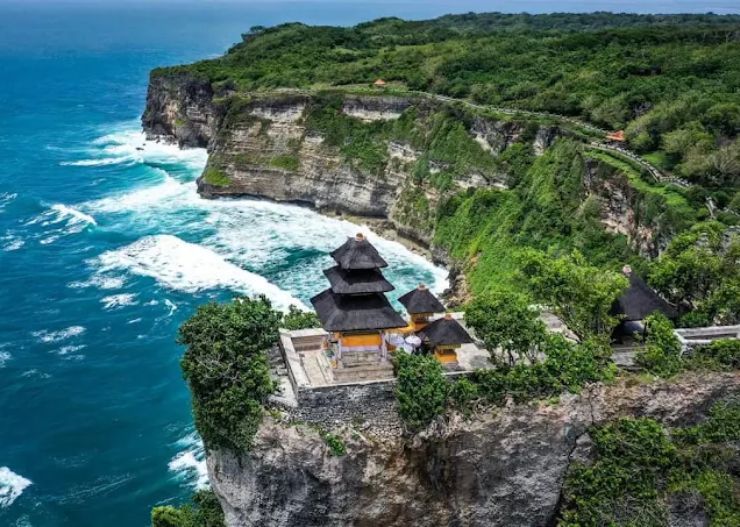
If there’s one coastal destination in Bali that still feels dramatic and unforgettable, it’s Uluwatu.
Located on the Bukit Peninsula, Uluwatu is famous for its towering limestone cliffs, luxury resorts, epic surf breaks, and insane ocean views. Compared to Canggu or Seminyak, the atmosphere also feels noticeably calmer and less chaotic.
The biggest highlight here is Uluwatu Temple, one of Bali’s most important sea temples. Sitting on the edge of a massive cliff overlooking the Indian Ocean, it becomes especially beautiful around sunset when the sky lights up in orange and gold.
Visitors also come for the nightly Kecak fire dance performance, where traditional Balinese storytelling and chanting happen against the backdrop of the ocean at dusk. It’s touristy, sure, but still pretty awesome.
Quick warning though: the monkeys around Uluwatu Temple are straight-up little thieves. Sunglasses, phones, hats, snacks, they’ll grab anything shiny if you’re not paying attention.
Central Bali: The Cultural Heart of the Island
If South Bali feels modern and energetic, Central Bali feels spiritual, artistic, and timeless.
This region is home to Bali’s rice terraces, jungle scenery, yoga retreats, traditional villages, and some of the island’s most iconic cultural sites.
1. Ubud
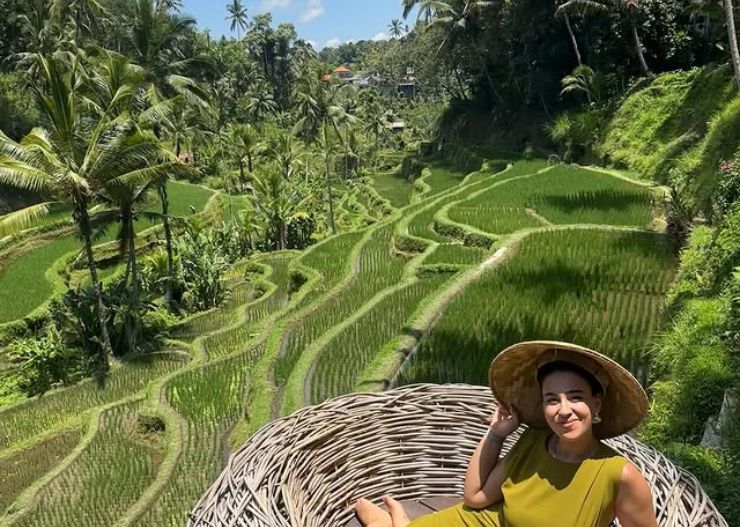
No guide to sightseeing in Bali would be complete without Ubud.
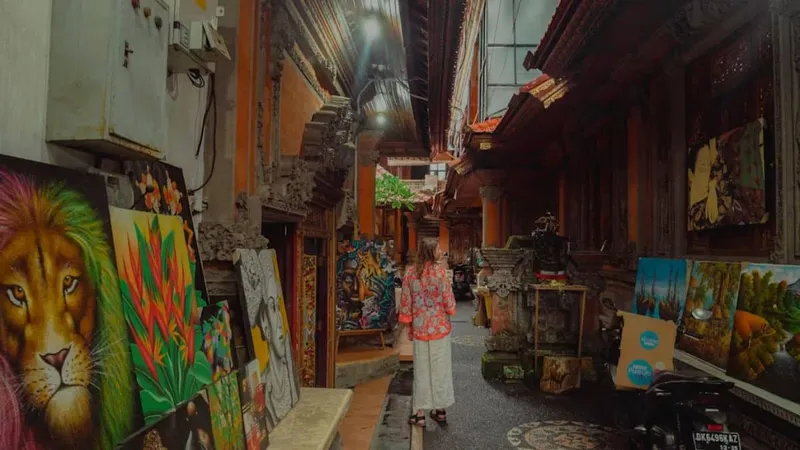
Ubud remains the island’s cultural center, known for traditional dance performances, artisan workshops, wellness retreats, temples, and lush jungle landscapes. Even though it has become more developed over the years, it still feels very different from the beach towns in the south.
The pace slows down here. The air feels cooler. The scenery turns greener. And somehow mornings in Ubud just hit differently.
One of the most famous attractions nearby is the Tegalalang Rice Terrace. The layered rice fields have become one of Bali’s most photographed landscapes, especially during sunrise when the lighting is softer and the crowds are smaller.
That said, these rice terraces are still active farming areas, not theme parks. Respect local farmers, avoid restricted sections, and support small local cafés or shops when visiting.
2. Sacred Monkey Forest Sanctuary
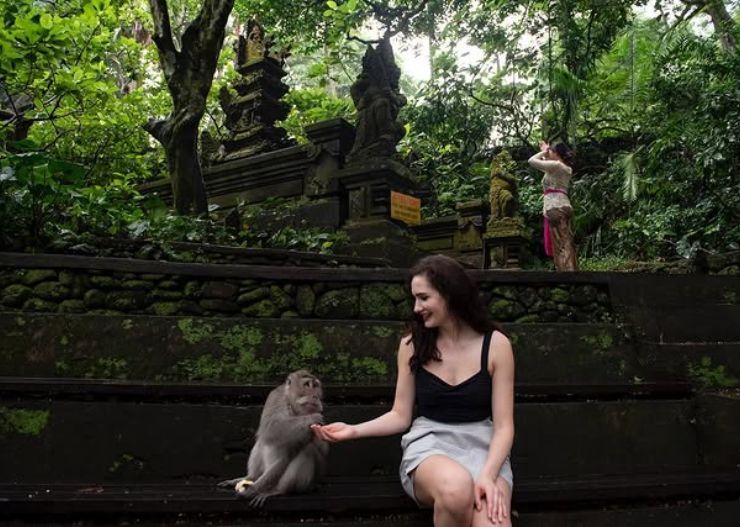
Another popular stop in Ubud is the Sacred Monkey Forest Sanctuary.
Part spiritual site and part nature reserve, the forest contains ancient temples surrounded by giant trees, jungle pathways, and hundreds of long-tailed macaques.
The setting itself is beautiful and peaceful, at least until a monkey decides your sunglasses belong to him now.
Visitors should still be cautious around the animals. Avoid feeding them, keep loose belongings secured, and don’t panic if one jumps near you. They’re used to humans and can smell fear from a mile away, or at least it feels that way.
East Bali: Temples, Volcanoes, and Coastal Scenery
East Bali often gets overlooked by first-time visitors, which honestly makes it even better.
The region feels quieter, more traditional, and less commercialized compared to southern Bali. It’s also home to some of the island’s most dramatic scenery.
1. Lempuyang Temple
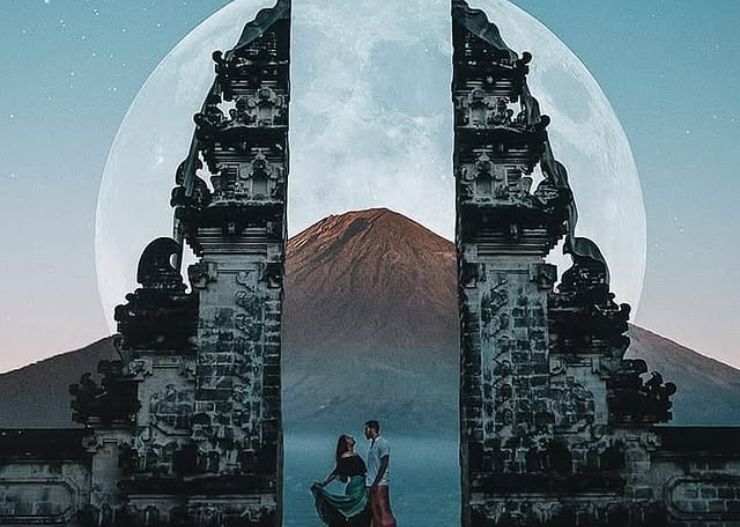
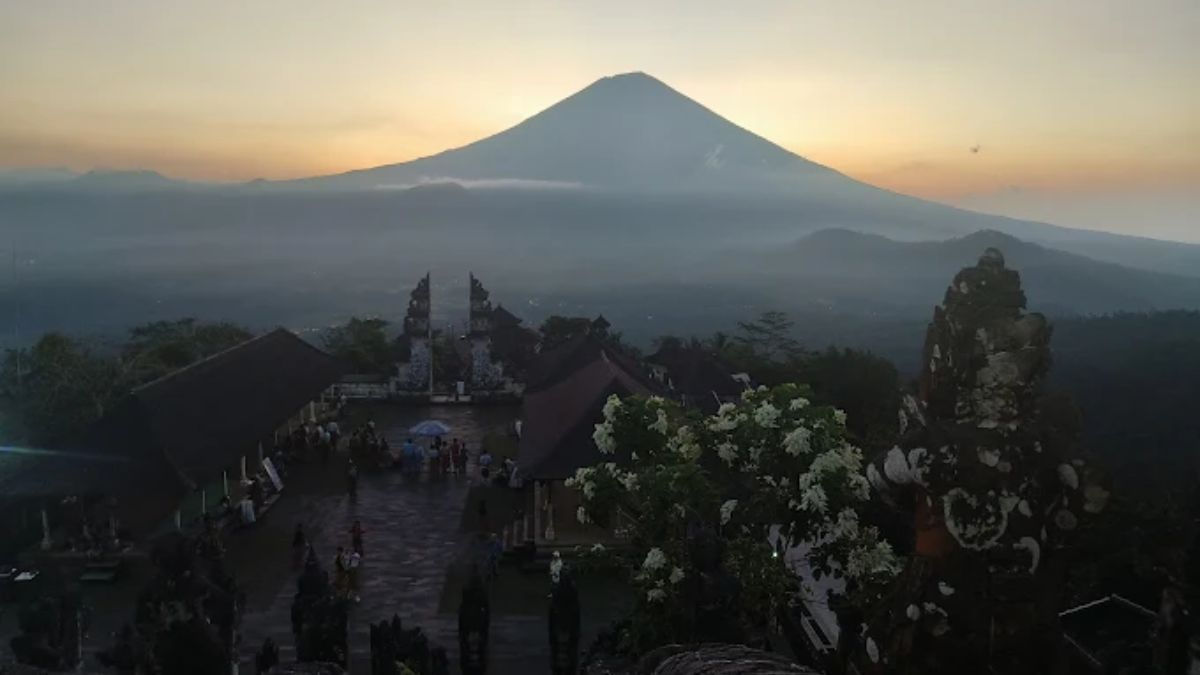
One of the most famous attractions in East Bali is Lempuyang Temple, often called the “Gates of Heaven.”
The temple’s split gateway creates a stunning frame for Mount Agung, Bali’s tallest volcano. On clear days, the view is incredible.
But here’s the thing most Instagram photos don’t tell you: many of those famous reflection shots use mirror tricks and creative photography angles. The location is still beautiful, but it’s good to keep realistic expectations before showing up expecting magical floating water effects.
Also, lines here can get ridiculously long by midday. Arriving early in the morning makes a huge difference.
2. Tirta Gangga
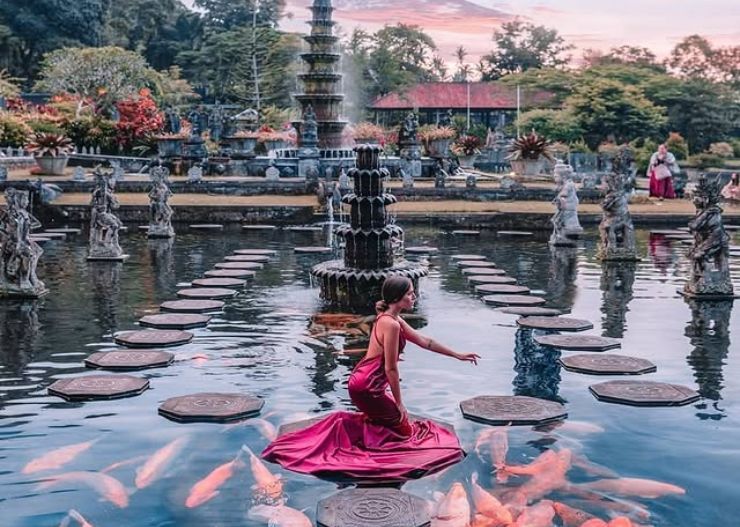
For a slower and more peaceful experience, Tirta Gangga offers a completely different side of Bali.
Originally built as a royal water palace, the site features koi ponds, fountains, lush gardens, and stone pathways surrounded by mountain scenery.
It’s one of the best places for slowing down during your sightseeing in Bali itinerary and escaping the heavy crowds found in the south.
North Bali: Waterfalls and Mountain Landscapes
Northern Bali feels like a different island altogether.
The roads become quieter, temperatures cooler, and landscapes far more mountainous. This is the side of Bali that nature lovers usually fall in love with.
1. Sekumpul Waterfall
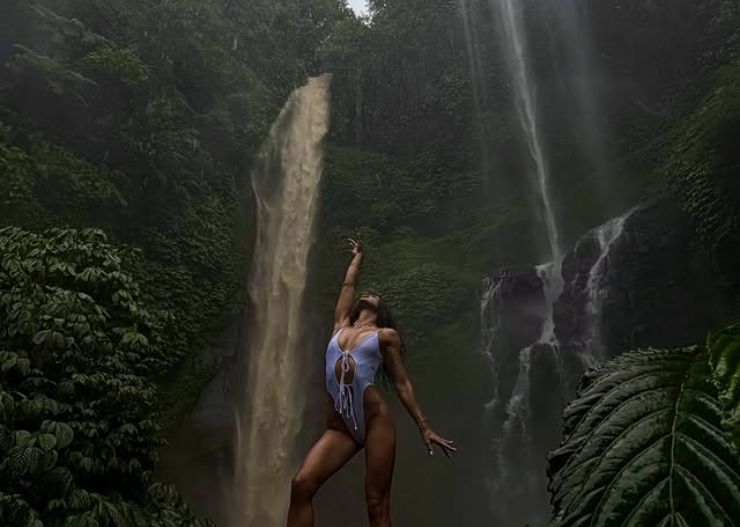
Among Bali’s many waterfalls, Sekumpul Waterfall is often considered the most impressive.
Getting there takes some effort. Expect stairs, jungle trails, and river crossings depending on the season. But once you arrive, the scenery is unreal. Multiple waterfalls pour through dense green cliffs, creating one of the most dramatic natural landscapes on the island.
Hiring a local guide is usually recommended, especially during rainy months when paths can get slippery.
2. Mount Batur

Adventure travelers also head north for the famous Mount Batur sunrise trek.
The hike usually starts around 2 AM so visitors can reach the summit before sunrise. Yeah, the wake-up call is rough, but the views are worth it.
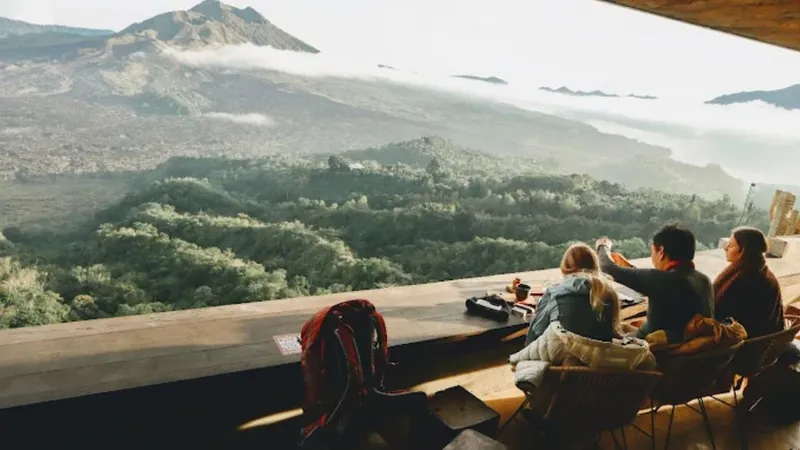
On clear mornings, you’ll see volcanic landscapes, mist-covered valleys, and Lake Batur glowing under the morning light. It’s one of those moments that actually lives up to the hype.
And surprisingly, temperatures near the summit can feel pretty cold before sunrise. Bali may be tropical, but you’ll want a light jacket up there.
Practical Tips for Sightseeing in Bali
Before exploring the island, here are a few important things travelers should know in 2026.
1. Respect Temple Etiquette
Bali is deeply spiritual, and temples are active religious sites, not just tourist attractions.
Visitors should wear respectful clothing, use sarongs when required, avoid climbing sacred structures, and remain quiet during ceremonies. Women who are menstruating are traditionally asked not to enter temple grounds in Balinese Hindu culture.
2. Start Early
This might be the best sightseeing tip in Bali. Starting your day around sunrise helps you avoid traffic, heat, tour bus crowds, and long photo lines.
Many famous attractions feel completely different before 8 AM. Quieter, calmer, and way more magical.
3. Hire a Private Driver for Longer Routes
Ride-sharing apps work fine in some areas, but for full-day sightseeing in Bali, hiring a private driver is still one of the easiest and most efficient options.
Many drivers also act as informal local guides, sharing cultural insights and recommending hidden spots you probably wouldn’t find online.
4. Expect Tourism Fees
Bali’s international tourist levy remains active in 2026 and applies to most foreign visitors entering the island. The fee supports environmental conservation and cultural preservation projects across Bali.
Travelers can usually pay online before arrival or at designated counters at the airport.
Experience Best Sightseeing in Bali
The best sightseeing in Bali happens when you stop treating the island like a checklist.
The real magic usually happens between destinations. It’s hearing temple chants echo through the streets at sunset. It’s grabbing grilled satay from a roadside warung. It’s watching morning mist roll over the rice terraces while the island slowly wakes up.
Sure, Bali has gotten busier over the years. There’s no denying that.
But Bali still offers some of the most unforgettable travel experiences in Southeast Asia for people willing to explore beyond the obvious hotspots and travel with patience, curiosity, and respect. That’s the version of Bali most travelers end up falling in love with.
FAQs
Something wrong? Tell us