Bali gets called a tropical paradise all the time, and yeah, it totally is. But here’s the thing most people have no idea about. Your experience can feel completely different depending on when you visit and what the weather is doing. One of the biggest factors behind that is something called El Nino.
If you’re planning a trip between June and September, which is basically Bali’s peak dry season, understanding how this climate pattern works can seriously level up your trip. It affects everything from how your days play out to how insane those sunsets look.
What Is El Nino and Why It Matters in Bali
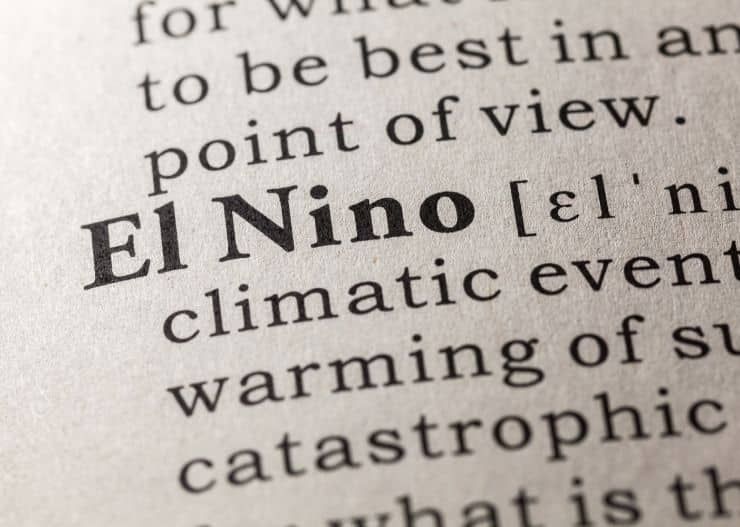
So here’s the simple version. El Nino is a climate pattern in which ocean temperatures in the Pacific rise higher than usual. Sounds far away, but it has a real impact on Southeast Asia, including Indonesia.
In Bali, that usually means less rain, longer dry periods, and lower humidity. Basically, you’re getting more sunshine and fewer random rain showers messing up your plans.
A good example was 2023, when the dry season hit harder than usual. Less rain, more heat, and overall drier conditions across the region.
For travelers, that translates to one thing. Better weather consistency.
Summer in Bali Just Hits Different
Bali’s dry season runs from around April to October, and honestly, this is when the island shines. By the time June, July, and August roll around, conditions are about as perfect as it gets.
You’re looking at warm temperatures in the high 70s to upper 80s, tons of sunshine, and barely any rain. The humidity also drops a bit, which makes walking around way more comfortable.
Even in a normal year, summer in Bali is solid. But when El Nino kicks in, everything just feels more dialed in. More blue skies, fewer interruptions, better overall vibes.
How El Nino Makes Your Trip Even Better
It’s not just about hotter weather. The impact is a little more subtle, but it makes a difference.
First off, your days become way more predictable. You’re not constantly checking the forecast or stressing about sudden rain. That means you can plan beach days, island trips, or temple visits without second guessing everything.
Second, the air feels less sticky. If you’ve ever been to a tropical place where humidity hits you like a wall, you’ll appreciate this. It’s still warm, but way more manageable.
And then there’s visibility. Clear skies mean better views everywhere. Whether you’re hiking, diving, or just chilling by the beach, everything looks sharper and more vibrant.
What to Do in Bali During Summer
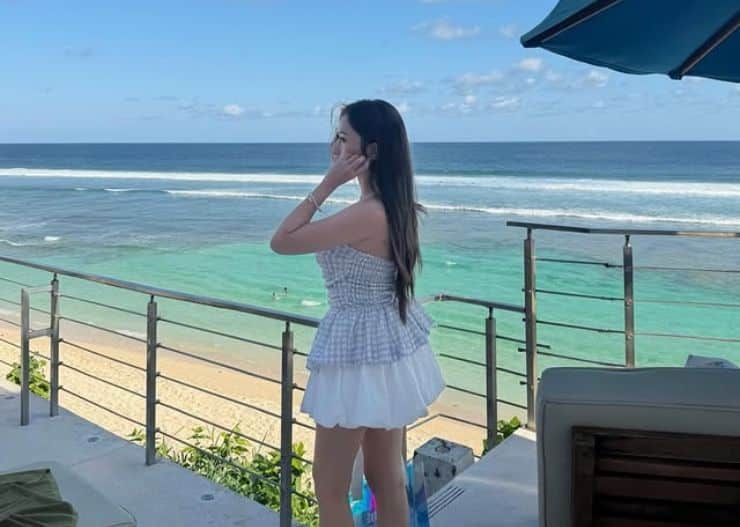
This is when Bali turns into a full-on outdoor playground.
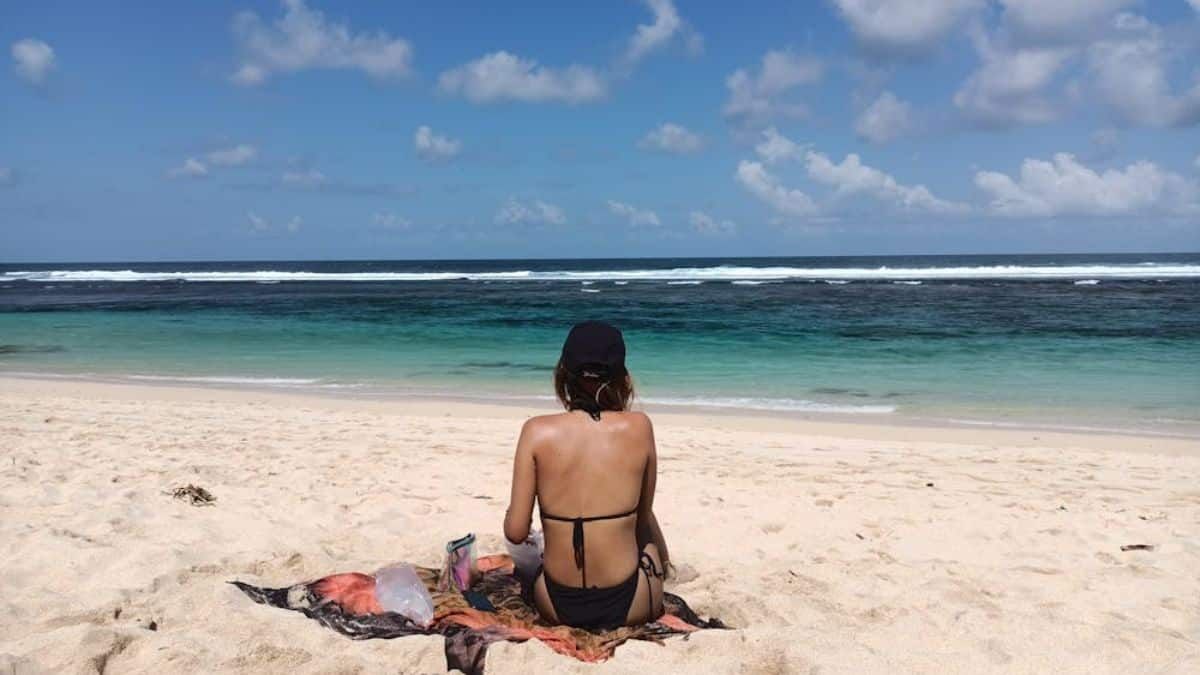
Down south, beach areas like Seminyak, Canggu, and Uluwatu are at their best. You’ve got great surf, beach clubs, and wide open coastlines that are perfect for just hanging out until sunset.
If you’re into a bit of adventure, hiking spots like Mount Batur are way more enjoyable in dry conditions. Trails are safer, skies are clearer, and the views at the top are unreal.
Island hopping is another big one. Trips to places like Nusa Penida are smoother during the dry season because the ocean is calmer. That means fewer cancellations and better snorkeling conditions.
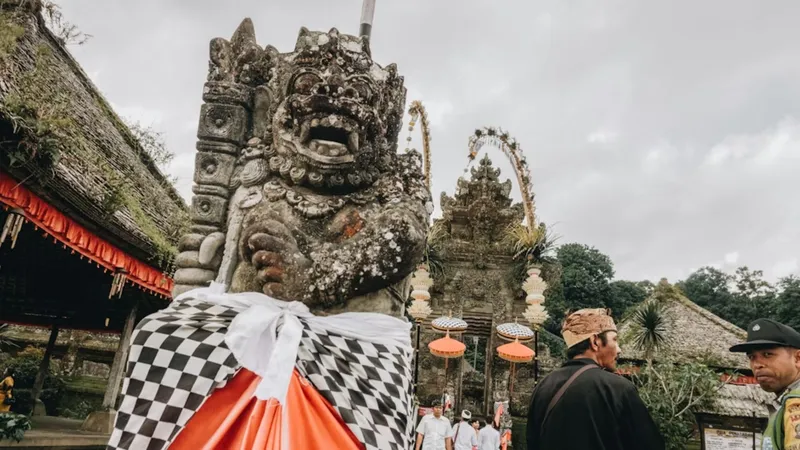
And if you’re more into culture, this is a great time to explore temples, check out local events, or just enjoy open-air dining without worrying about rain.
Why Sunsets in Bali Are Next Level in Summer
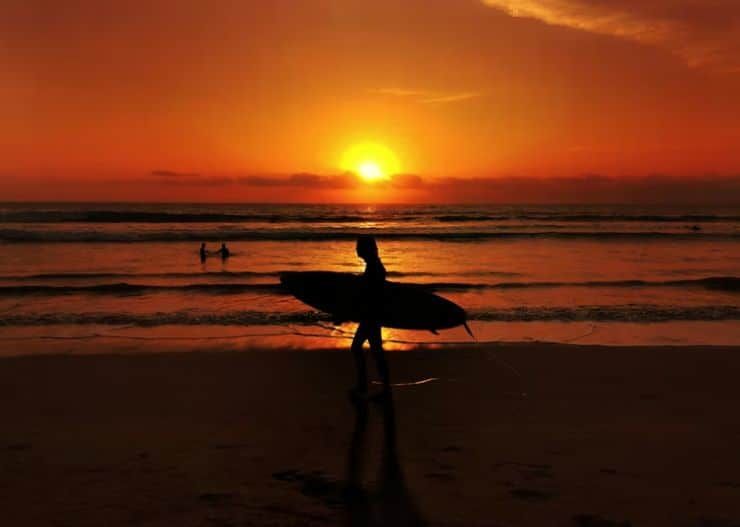
Bali sunsets are already famous, but during the dry season, they hit different.
Clearer skies mean stronger colors. You get those deep oranges, soft pinks, and sometimes even purples that stretch across the horizon. When El Nino is in play, there’s less moisture in the air, which makes those colors pop even more.
Sunset usually happens between around 6:00 and 7:30 PM, depending on the time of year. But honestly, the real show often comes after the sun dips below the horizon.
The Best Sunset Spots You Shouldn’t Miss
If you’re in Bali during summer, chasing sunsets should be part of your routine.
1. Uluwatu Temple
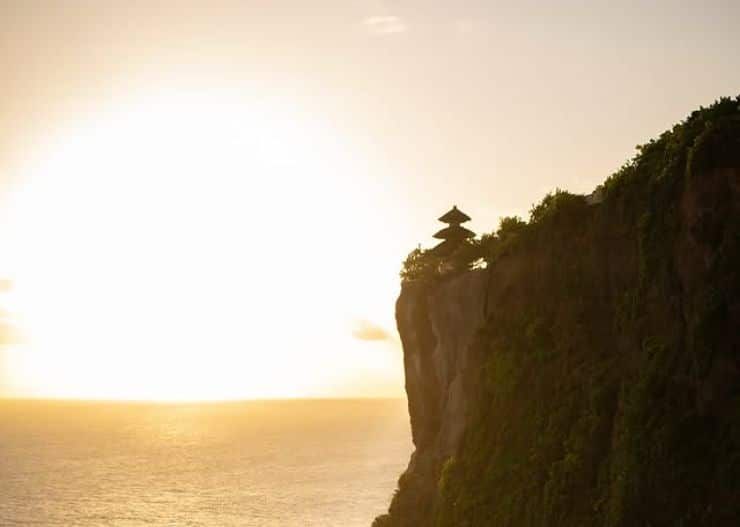
Uluwatu Temple is easily one of the most iconic spots. Sitting on a cliff above the ocean, it gives you those wide, dramatic views. If you catch the Kecak dance at sunset, it’s a whole experience.
2. Tanah Lot
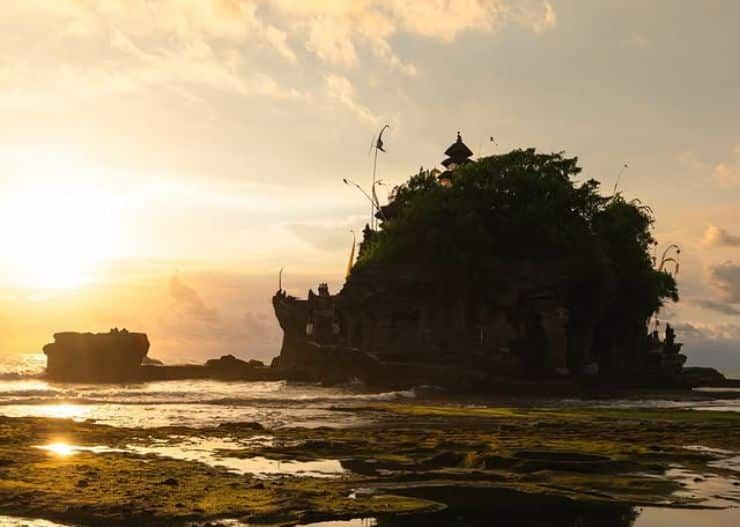
Then you’ve got Tanah Lot. It’s one of the most photographed places on the island for a reason. The temple silhouette against the ocean at sunset looks straight out of a movie.
3. Seminyak Beach
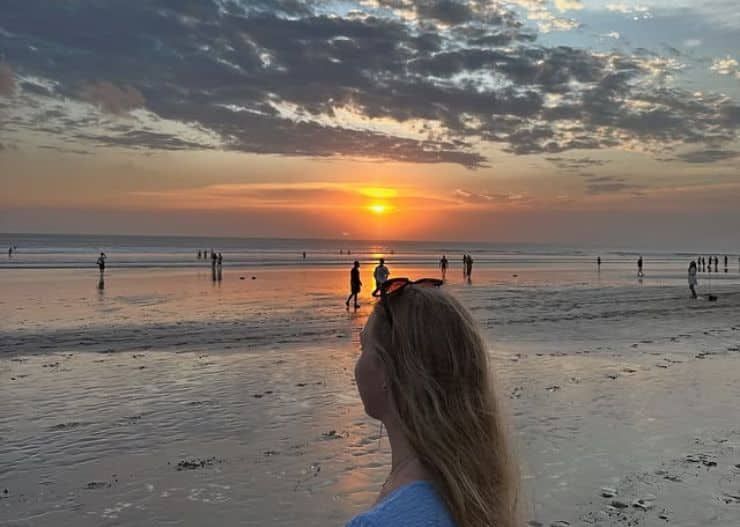
For something more laid-back, Seminyak Beach is a great pick. Think beach bars, music, and a chill crowd watching the sky change colors.
4. Canggu Beach
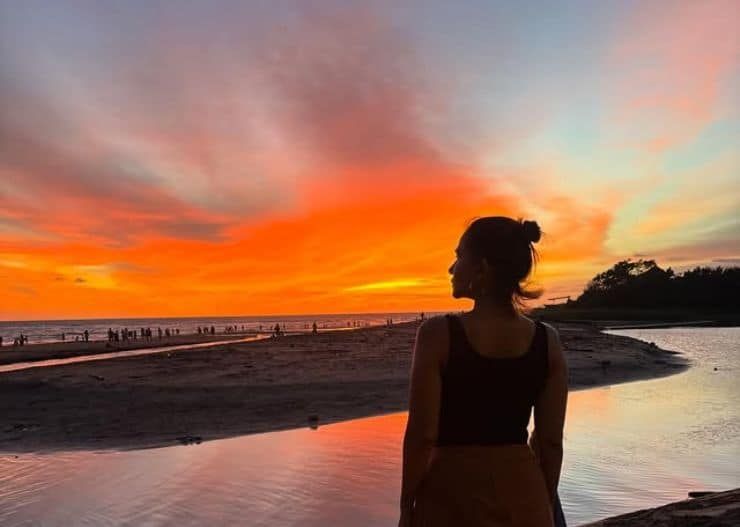
Canggu Beach has a more relaxed, slightly bohemian vibe. Fewer crowds, more surfers, and a bunch of casual cafes right by the water.
5. Jimbaran Bay
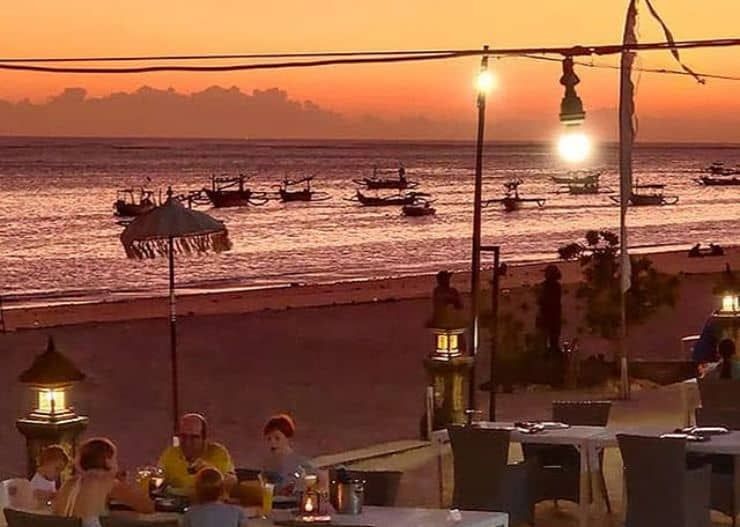
And if you’re going for something a bit more romantic, Jimbaran Bay is hard to beat. Seafood dinners right on the sand, soft waves, and a slower pace that just feels right at sunset.
A Few Simple Tips for the Best Sunset Experience
Timing matters more than people think.
Show up at least 30 to 60 minutes early so you can catch the full golden hour. Stick around after the sun sets too, because that’s when the sky can get even more colorful.
West-facing beaches are your best bet, and a few clouds in the sky actually make the view better, not worse.
Is El Nino Good or Bad for Your Trip?
For travelers, it’s mostly a win.
You get more sunshine, better conditions for outdoor activities, and those next-level sunsets. The only downside is that it can feel a bit hotter and peak season gets busy.
As long as you stay hydrated and plan ahead, you’ll be more than fine.
Final Take
Understanding El Nino gives you a serious advantage when planning your Bali trip.
Summer in 2026 is shaping up to offer consistent weather, tons of things to do, and some of the best sunsets you’ll ever see. It’s not just about being in Bali, it’s about hitting it at the right time and making the most of it.
Do that, and the whole experience just feels different in the best way possible.
Something wrong? Tell us