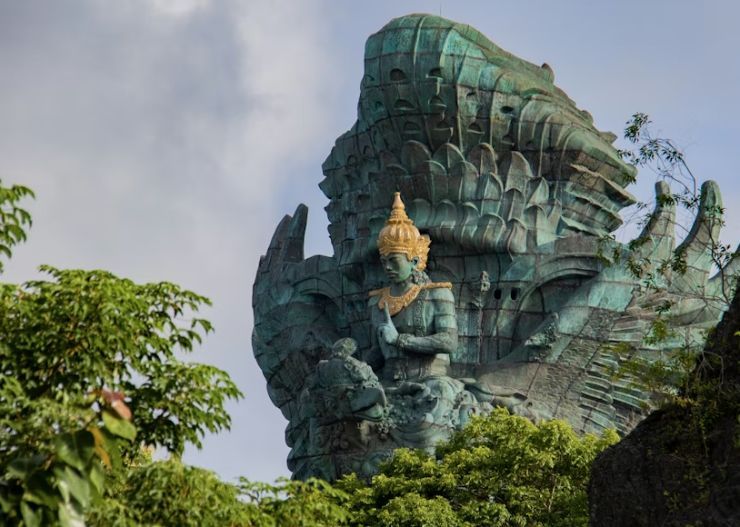
Bali continues to rank as one of the world’s top tropical getaways, drawing millions of visitors every year with its beaches, temples, surf culture, and laid-back island vibe. But like many destinations across Southeast Asia, Bali also deals with seasonal mosquito-borne illnesses travelers should pay attention to. One of the biggest concerns is dengue fever.
The upside is that most tourists visiting Bali never get sick. Still, dengue fever in Bali becomes more common during certain times of the year, especially throughout the rainy season when mosquito populations spike fast. Knowing how dengue spreads, recognizing the symptoms early, and taking a few smart precautions can make a major difference during your trip.
In this guide, we’ll break down everything you should know about dengue fever in Bali.
What Is Dengue Fever?
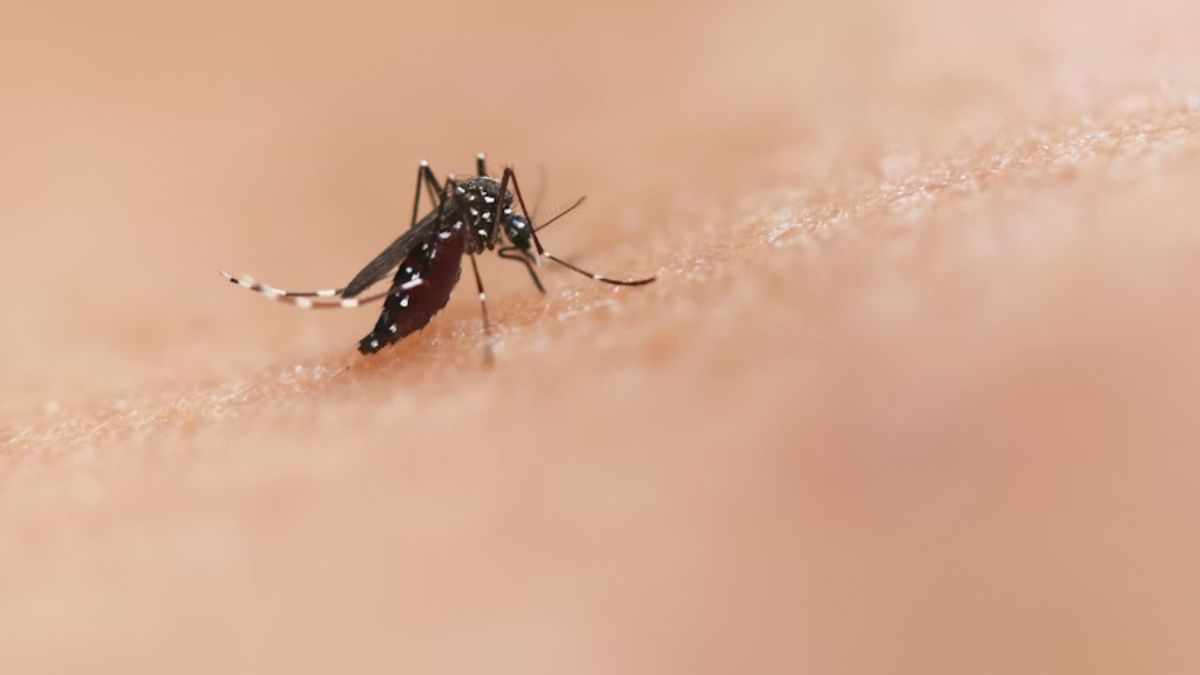
Dengue fever is a viral infection transmitted through the bite of infected Aedes mosquitoes, mainly Aedes aegypti. Unlike mosquitoes that spread malaria, these mosquitoes are active during the daytime, especially in the early morning and late afternoon.
Dengue is widespread across tropical and subtropical regions, including Indonesia and Bali. Over the last two decades, global dengue cases have climbed sharply due to urban growth, climate shifts, increased international travel, and changing rainfall patterns.
There are four different strains of the dengue virus. That means someone can catch dengue more than once, and repeat infections may raise the risk of developing severe complications.
Even though severe dengue can turn dangerous, most people recover completely within one to two weeks with proper hydration, rest, and medical care.
What Are the Symptoms?
Symptoms of dengue fever usually show up around four to ten days after a mosquito bite. For many travelers, it initially feels like a nasty flu that came out of nowhere.
Common symptoms include:
- High fever
- Severe headaches
- Pain behind the eyes
- Muscle and joint pain
- Nausea or vomiting
- Fatigue
- Skin rash
- Swollen glands
Dengue is often nicknamed “breakbone fever” because the muscle and joint pain can hit hard.
One thing travelers often miss is that dengue can become more serious right after the fever starts dropping. A lot of people assume they’re getting better at this stage, but that’s actually when severe symptoms can begin kicking in.
Warning Signs of Severe Dengue
Some dengue infections progress into severe dengue, which can become life-threatening without medical treatment. Warning signs typically appear between days three and seven of the illness.
Get medical attention immediately if you experience:
- Severe abdominal pain
- Persistent vomiting
- Bleeding gums or nose
- Blood in vomit or stool
- Difficulty breathing
- Extreme fatigue
- Pale or clammy skin
- Restlessness or confusion
Health organizations like the Centers for Disease Control and Prevention and the World Health Organization continue to stress that early treatment dramatically lowers the risk of severe complications.
When to Visit Bali to Avoid Dengue Fever
Dengue fever in Bali exists year-round, but mosquito activity definitely isn’t the same every month.
Cases usually rise during Bali’s rainy season, which generally runs from November through April. The wettest stretch is often between December and February.
Heavy rainfall creates standing water almost everywhere, and that becomes prime real estate for mosquitoes to breed. Local health authorities regularly issue warnings about higher dengue risks during these wetter months.
If avoiding dengue exposure is high on your priority list, Bali’s dry season is usually your safest bet.
Mosquito activity tends to be lower during June, July, August, and September. These months usually bring drier weather, lower humidity, and fewer mosquito breeding spots.
That said, Bali is still a tropical island. Even during the dry season, mosquitoes are part of the deal. Packing repellent is still a smart move.
Best Areas to Stay in Bali to Avoid Dengue Fever
No area in Bali is completely free from dengue risk, but some regions tend to have fewer mosquitoes because of elevation, wind exposure, and drier conditions.
In general, cooler and less humid areas have fewer mosquito problems than dense inland tropical zones.
Before booking accommodations, it helps to remember that mosquitoes love stagnant water, thick vegetation, humid environments, and poor drainage systems.
1. Areas With Lower Mosquito Activity

Many travelers report fewer mosquito issues in:
- Uluwatu and the Bukit Peninsula
- Nusa Dua
- Higher elevation areas like Munduk and Bedugul
The Bukit Peninsula in southern Bali is especially known for being drier and windier than central parts of the island. Expats and repeat visitors often mention noticeably fewer mosquitoes there compared to inland hotspots.
2. Areas With Higher Mosquito Density

Mosquitoes tend to be more common in:
- Ubud
- Jungle-heavy regions
- Rice field areas
- Places near rivers or stagnant water
That doesn’t mean you should skip these destinations. Places like Ubud remain some of Bali’s biggest highlights. It simply means mosquito prevention matters even more in those areas.
More Ways to Avoid Catching Dengue Fever in Bali
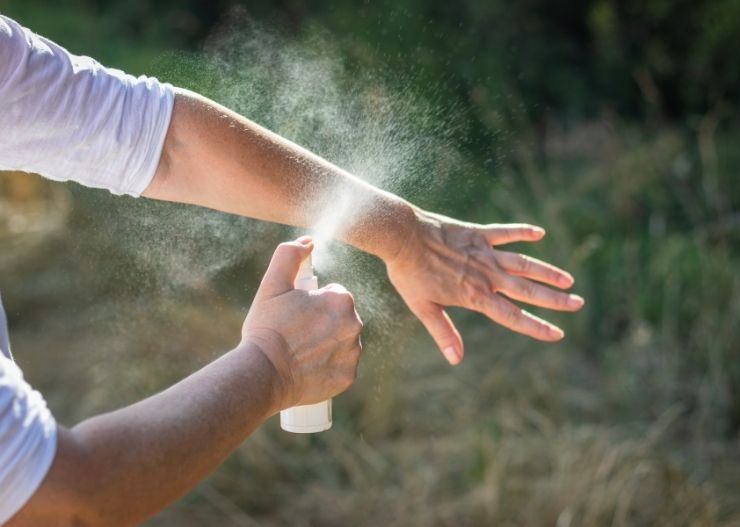
Preventing mosquito bites is still the best defense against dengue. Since there’s no specific antiviral treatment for dengue itself, prevention carries a lot of weight.
The good news is that lowering your risk usually comes down to a few consistent habits.
1. Use Mosquito Repellent Every Day
Choose insect repellents containing DEET, Picaridin, or IR3535. Apply repellent during the daytime, not only at night. Dengue-carrying mosquitoes are daytime biters, and they don’t mess around.
2. Wear Lightweight Long Sleeves
Loose long sleeves and lightweight pants help reduce exposed skin, especially during sunrise and late afternoon when mosquito activity ramps up.
3. Pick Accommodations Carefully
Hotels and villas with the following features usually have fewer mosquito problems:
- Air conditioning
- Proper drainage
- Screened windows
- Routine pest control
A well-maintained property can make a bigger difference than people expect.
4. Avoid Standing Water
Mosquitoes breed in stagnant water, including buckets, flower pots, open containers, and poorly drained outdoor spaces. Even small puddles can become mosquito breeding grounds fast in tropical climates.
5. Use Fans or Air Conditioning
Mosquitoes are surprisingly weak fliers. Ceiling fans, standing fans, and air conditioning often help reduce bites indoors.
What to Do if You Think You Have Dengue Fever

If flu-like symptoms develop during or after your Bali trip, don’t brush them off.
1. Visiting a Doctor or Clinic
The first move should be visiting a doctor or clinic as soon as possible. Dengue usually requires a blood test for confirmation.
Until you receive medical guidance:
- Get plenty of rest
- Stay hydrated
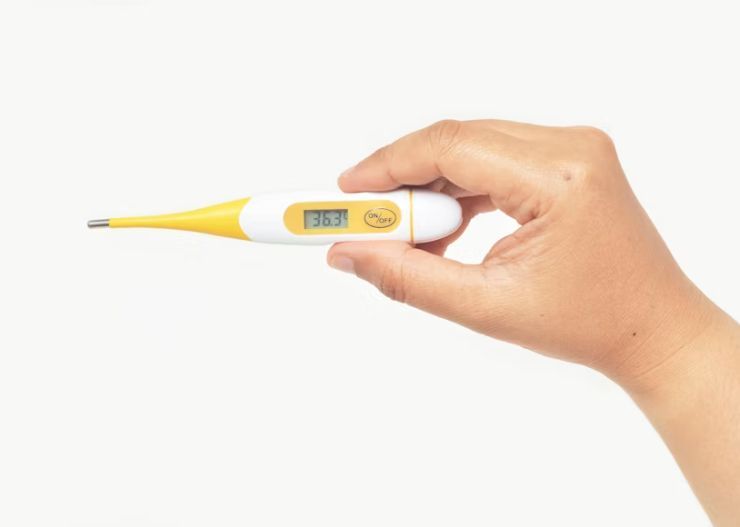
- Monitor your temperature
- Watch closely for warning signs
There’s also one important detail many travelers don’t realize. Certain pain medications can increase the risk of bleeding complications.
2. Avoid Certain Medications
Health authorities advise avoiding Ibuprofen, Aspirin, and Naproxen unless a doctor specifically tells you otherwise.
Paracetamol, also known as acetaminophen, is generally considered the safer option for managing fever and pain associated with dengue fever in Bali.
Most importantly, don’t try to tough it out if symptoms become severe. Dengue can escalate quickly, especially once the fever starts dropping.
Don’t Let Dengue Concerns Ruin Your Bali Trip
Dengue fever is a real concern in Bali, but it shouldn’t scare travelers away from visiting the island.
Millions of people travel to Bali every year without getting dengue. The key is understanding the seasonal risks, staying proactive about mosquito prevention, and knowing when to seek medical care.
If you visit during Bali’s dry season, stay in well-maintained accommodations, use mosquito repellent consistently, and respond quickly to symptoms, your risk drops significantly.
A little preparation goes a long way when it comes to staying healthy and enjoying everything Bali has to offer.
Something wrong? Tell us