Bali is one of those places people dream about for years. Think beaches, temples, rice fields, and sunsets that don’t look real. But here’s something a lot of travelers don’t think about at first. The island sits right on the Pacific Ring of Fire, which means volcanoes are part of the deal.
So naturally, people ask the same thing. Is Bali safe, and what’s the real situation with the volcanoes?
In this post, we’ll share this Bali Volcano guide to give you a straight, no-nonsense breakdown of what’s going on in 2026, plus what you should actually pay attention to before visiting or hiking.
Are Bali Volcanoes Active in 2026?
Right now, things are calm.
As of 2026, there are no active eruptions on the island. Both Mount Agung and Mount Batur are at low or normal activity levels, and nothing major is happening.
That said, these volcanoes are still active systems. They can wake up. Indonesia monitors them closely using a four-level alert system that ranges from normal to emergency. Most of the time, Bali sits at the lower levels, which means tourism continues as usual.
So yeah, Bali is generally safe. Just don’t go in completely clueless, which is exactly why following a reliable Bali volcano guide matters.
The Two Main Volcanoes You Should Know
Alright, let’s get into the two volcanoes everyone talks about. They might be on the same island, but trust me, they’re not the same experience at all.
1. Mount Agung (The Powerful One)
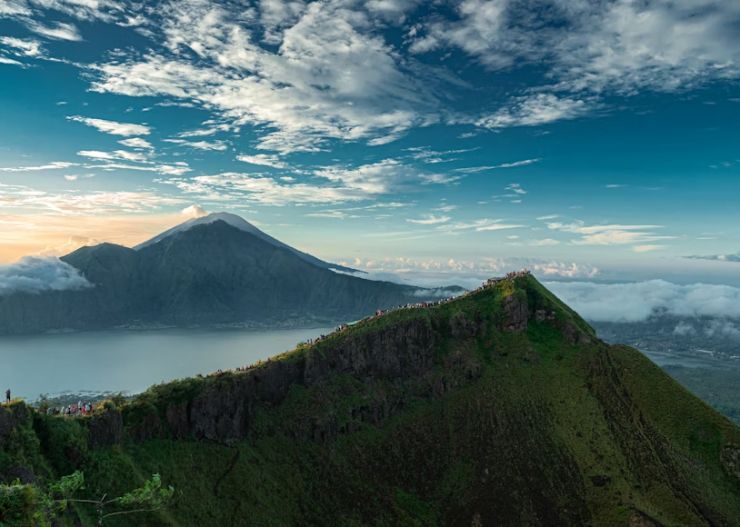
Mount Agung is the tallest and most intense volcano in Bali, rising over 3,100 meters. It’s not just a mountain either. For locals, it’s sacred and deeply tied to their beliefs.
The last major eruption happened in 2017, with smaller activity continuing into 2019. These days, it’s mostly quiet, though still considered “restless” in some monitoring reports.
When Agung acts up, it can cause real disruption. Flights have been canceled in the past because of ash clouds, which gives you an idea of how serious it can get.
Even when things seem calm, access near the summit can be restricted. Authorities don’t mess around with safety here.
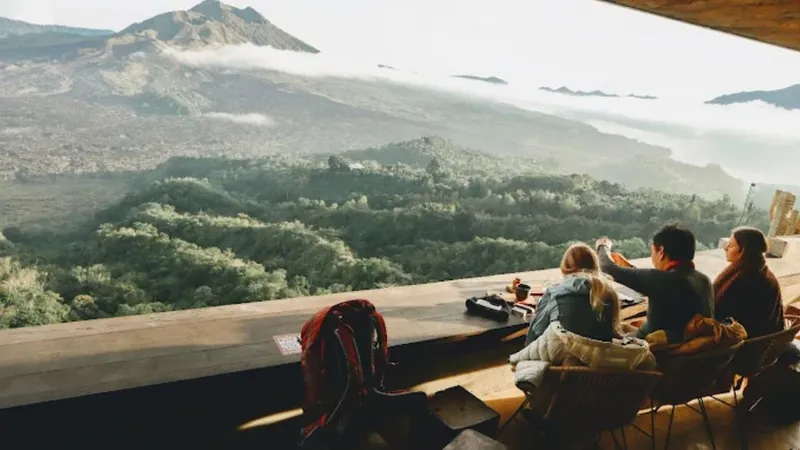
If you’re planning to see Mount Agung, it’s totally safe from a distance. Hiking it is a different story. That depends completely on current conditions, so always check before making plans.
2. Mount Batur (The One Everyone Climbs)
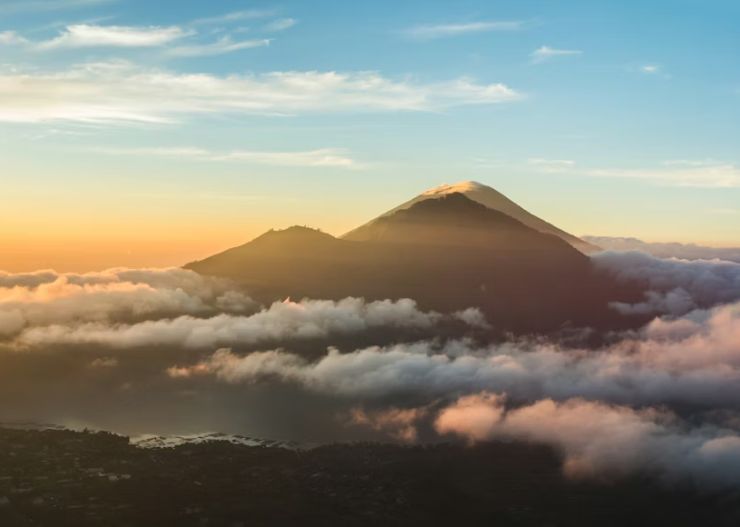
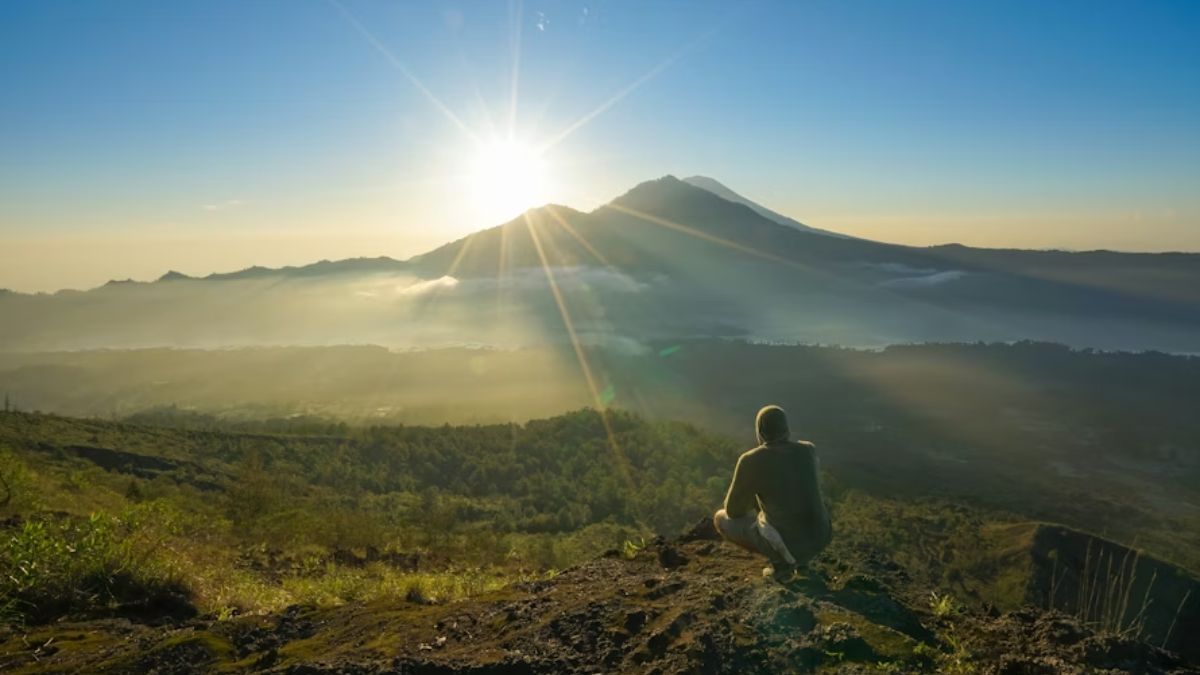
Mount Batur is smaller, easier, and way more popular with travelers. It stands at about 1,700 meters and is famous for its sunrise hikes.
You’ll start in the dark, hike up with a guide, and catch the sunrise over the caldera and Lake Batur. It’s one of those experiences that actually lives up to the hype.
The last eruption was in 2000, and the current risk level is low. Still, it’s an active volcano. That part doesn’t change.
Tours can get canceled if there’s even a small increase in activity. It doesn’t happen often, but it’s something to keep in mind.
If you’re looking for a solid first volcano hike, Batur is your best bet. Just follow your guide and don’t try to freelance your way up there.
Is It Actually Safe to Visit?
So now that you know the two main volcanoes, the next question is pretty obvious. Is it actually safe to visit them?
The answer is yes. Bali in 2026 is considered safe, including visits to volcanic areas, as long as you follow local guidance. There are no ongoing eruptions, and the government keeps a close watch on everything.
They’ve got monitoring systems, alert levels, evacuation plans, all of it. It’s not some wild, unmanaged situation.
But let’s keep it real. Volcanoes are unpredictable. Things like ash clouds, gases near craters, or sudden activity can happen, even if it’s rare.
There have been times when hikers were told to stay away from Mount Agung’s summit because of small changes underground. Nothing dramatic, but enough to take seriously.
So yeah, you’re safe. Just don’t get careless, and stick to what a trusted Bali volcano guide and local expert recommends.
How the Alert System Works
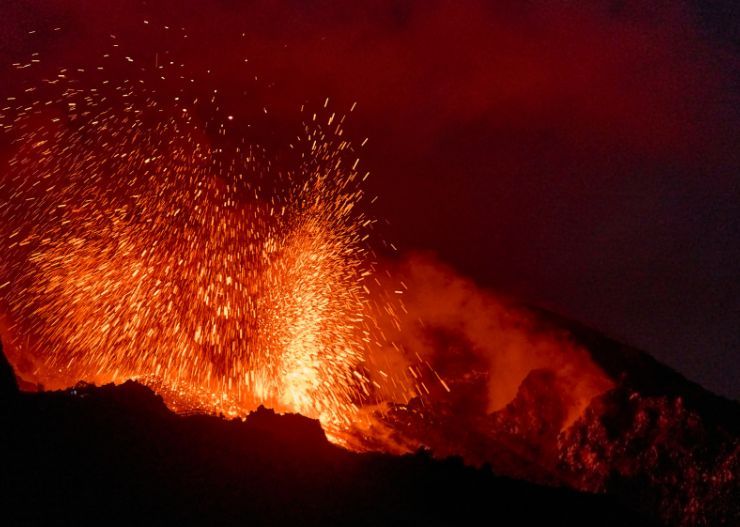
Indonesia uses a simple four-level system to track volcanic activity. Most travelers won’t need to stress about it, but it’s good to know.
- Level 1 means everything is normal.
- Level 2 suggests increased activity, so you stay cautious.
- Level 3 means restricted zones expand, and access becomes more limited.
- Level 4 means an eruption is happening or about to happen.
Most of the time, Bali’s volcanoes sit at Level 1 or 2. That’s why tourism keeps running smoothly.
Before any hike, it’s always smart to check the current status with your tour provider or a reliable source. It takes two minutes and saves you a headache.
What Hiking a Volcano in Bali Is Really Like
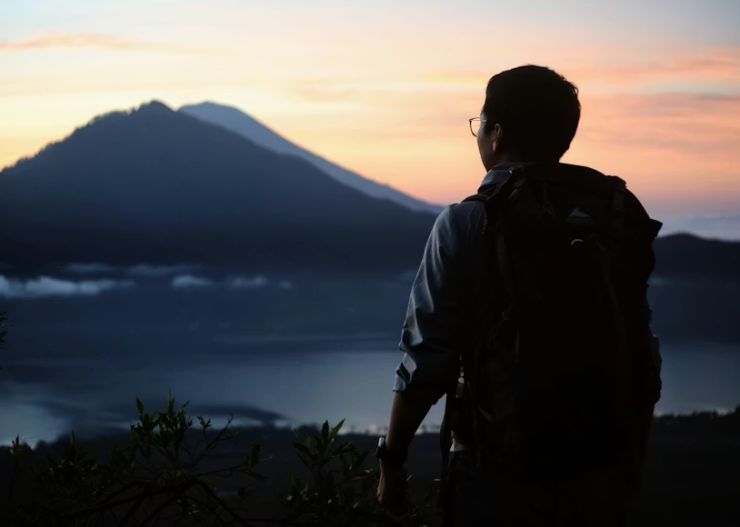
Hiking in Bali isn’t something you just show up and do on your own. Guides are required, and honestly, that’s a good thing. Trails can get tricky, and there are cultural reasons behind it too.
1. Timing Matters
Timing matters more than people think. The dry season, from May to September, gives you the best conditions. Trails are safer, and visibility is way better. During the rainy season, things get slippery fast, and clouds can block your views completely.
2. Decent Fitness Needed
As for difficulty, Mount Batur is manageable for most people with decent fitness. Mount Agung is a whole different level. It’s long, steep, and can take up to ten hours round trip. If you’re not used to serious hikes, Agung might not be your move.
3. Come Prepared
You’ll want to come prepared. Good shoes, warm layers for early mornings, a flashlight or headlamp, and enough water and snacks. It might feel like overkill at first, but once you’re up there in the dark, you’ll be glad you brought it.
Why Volcanoes Matter in Bali
Here’s something a lot of travelers overlook. These volcanoes aren’t just scenic spots. They’re deeply spiritual.
Mount Agung is considered the center of the island and the home of the gods. Mount Batur is connected to Dewi Danu, the goddess of water.
Because of this, certain areas can close for ceremonies, and there are expectations around behavior. This is also why guides play a bigger role than just leading the way.
If you respect the culture, your experience hits differently. It’s not just a hike anymore.
Can Volcanoes Affect Your Trip?
Most of the time, no. But it’s not impossible.
In the past, eruptions have caused temporary flight disruptions because ash clouds are dangerous for planes. Hiking tours can also get canceled if activity picks up, even slightly.
Sometimes, authorities will close off certain areas completely. It doesn’t happen often, but you should be ready for small changes in your plans.
That’s just part of traveling somewhere like Bali.
Simple Tips to Stay Safe
You don’t need to overthink it. Just stay smart.
Check updates before you go, book with legit tour operators, and always listen to your guide. Keep an eye on the weather and stay flexible with your plans.
If you’re unsure about anything, your hotel or tour provider will usually have the latest info. Just ask.
Is It Worth It?
Absolutely.
This bali volcano guide wouldn’t be complete without saying it straight. Visiting Bali’s volcanoes is one of those experiences you’ll remember long after the trip is over.
Watching the sunrise from Mount Batur feels unreal. Seeing Mount Agung up close gives you a whole new level of respect for nature.
In 2026, the risk is low, and conditions are solid. It’s a great time to go. Just stay informed, respect the rules, and don’t do anything reckless.
Do that, and this won’t be something you worry about. It’ll probably end up being the coolest part of your trip.
Something wrong? Tell us