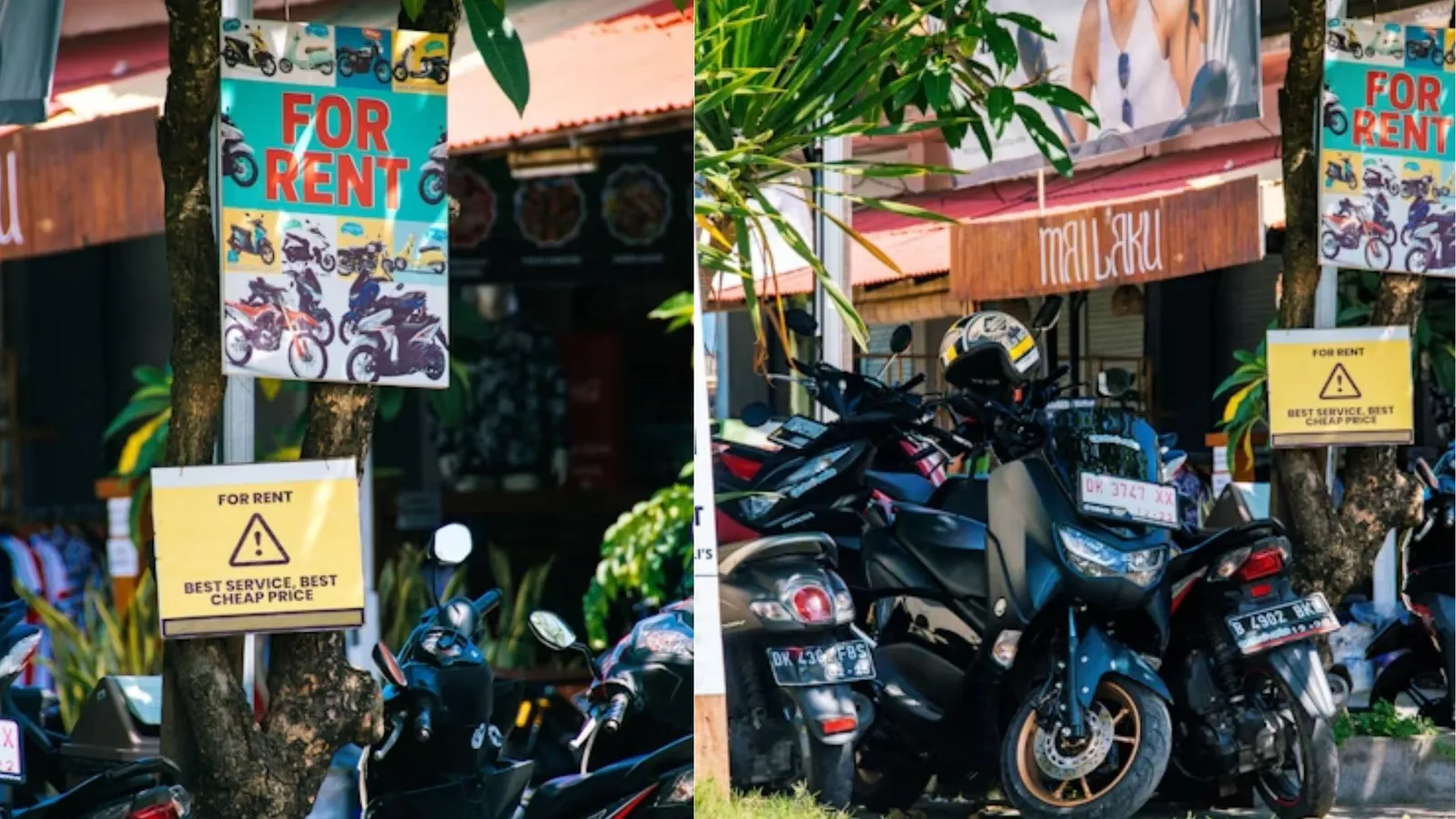
After booking your flights and choosing where to stay, the next thing most travelers start wondering is how to get around in Bali.
Transportation on the island works a little differently than in many other tourist destinations. Bali does not have a large public transportation network, and getting from one area to another usually involves private transport rather than trains or subways.
Fortunately, there are several reliable options available, from hiring a driver for the day to using ride-hailing apps or renting your own scooter. Each method has its own advantages depending on your budget, comfort level, and travel plans.
In this guide, we’ll explain how to get around in Bali, including the most common transportation options, typical prices, and which method works best for different types of travelers.
1. Hiring a Private Driver
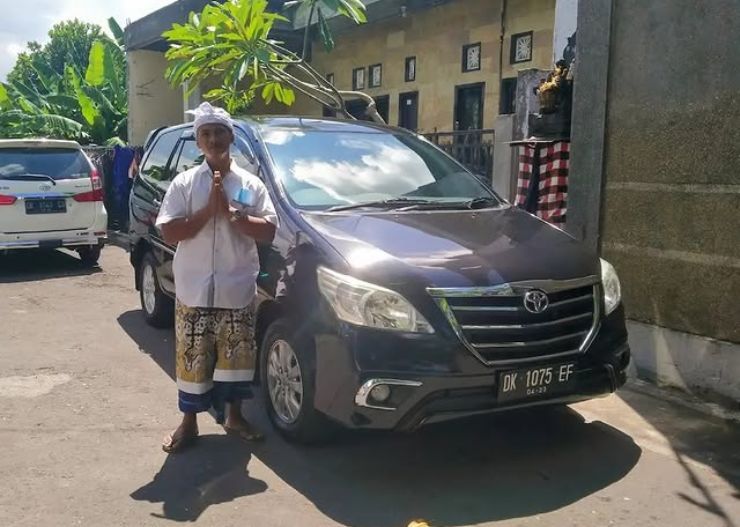
One of the most popular ways for visitors to explore Bali is by hiring a private driver for the day.
This option is especially useful when you want to visit multiple attractions, such as temples, waterfalls, rice terraces, or scenic viewpoints. Instead of navigating unfamiliar roads yourself, a local driver takes care of the transportation while you enjoy the journey.
Private drivers in Bali are relatively affordable. In 2026, a full-day service typically costs between 600,000 IDR and 1,000,000 IDR (around $35–$60 USD), depending on the distance and number of hours.
If you’re traveling with several people, sharing the cost makes it even more budget-friendly.
Another advantage is that many drivers double as informal guides. They often know the best routes, quieter viewpoints, and local food spots that travelers might otherwise miss.
For visitors planning longer sightseeing days, hiring a driver is often the most comfortable solution for how to get around in Bali.
How to Find a Driver
There are several easy ways to arrange a driver on the island.
- Online bookings – Many travel platforms allow you to reserve drivers in advance. This is often the easiest way since you can compare prices and read reviews beforehand.
- Through your accommodation – Hotels, villas, and guesthouses frequently work with trusted local drivers and can arrange transportation for you.
- Personal recommendations – If friends or fellow travelers have visited Bali recently, they may have driver contacts they can share.
Solo travelers sometimes choose a motorbike taxi driver instead of a car driver, which can be cheaper and faster in heavy traffic.
2. Renting a Scooter
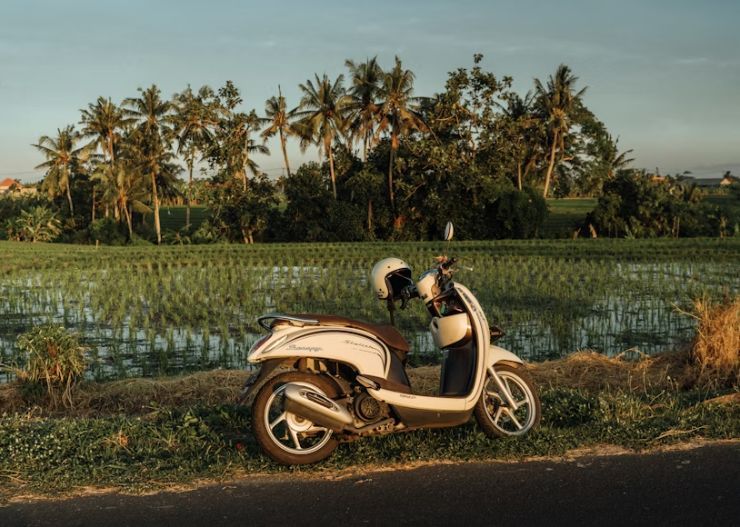
Scooters are everywhere in Bali, and renting one is a common way for travelers to explore the island independently.
For people comfortable riding motorbikes, this option offers the most flexibility when deciding how to get around in Bali. You can stop whenever you like, explore smaller roads, and reach places that cars sometimes struggle to access.
Daily rental prices are generally very affordable. Most basic scooters cost between 60,000 IDR and 100,000 IDR per day (roughly $4–$7 USD).
Fuel is inexpensive, and parking fees are usually minimal.
However, driving conditions in Bali can be hectic, particularly in busy areas like Canggu, Kuta, and Seminyak.
For safety reasons, you should only rent a scooter if you:
- Have previous riding experience
- Hold an International Driving Permit (IDP)
- Feel comfortable navigating busy streets
While some rental shops may not ask for documentation, not having the correct license could affect travel insurance if an accident occurs.
Where to Rent Scooters
You’ll find scooter rentals almost everywhere in tourist areas.
- Rental agencies – Professional rental companies like Bikago usually offer newer scooters and sometimes include insurance or roadside support.
- Local street vendors – Small rental stalls are common and often cheaper, though scooter conditions may vary.
- Hotels or guesthouses – Many accommodations offer scooters directly to guests or can arrange one through a local contact.
Tips: Before renting, it’s always a good idea to check the scooter carefully and take photos of any existing scratches or damage.
3. Ride-Hailing Apps (Grab and Gojek)

For quick trips between restaurants, beaches, or hotels, ride-hailing apps are one of the easiest answers to how to get around in Bali.
Two of the most widely used apps on the island are Gojek and Grab. Both operate similarly to Uber and allow you to book either a car ride or a motorbike taxi directly from your phone.
Motorbike taxis are often the fastest option in areas with heavy traffic, while car rides are more comfortable if you’re carrying luggage.
A major advantage of these apps is price transparency. The fare is displayed before you confirm the ride, which helps prevent overcharging.
Payment can usually be made using either cash or card through the app.
Restricted Pickup Areas
In certain locations, local taxi groups restrict ride-hailing pickups. These areas are sometimes referred to as “no Grab” or “no Gojek” zones.
If you encounter this situation, you may simply need to walk a short distance away from the restricted area before requesting a ride.
If ride-hailing apps will be your main method for getting around in Bali, make sure your phone has reliable mobile data.
4. Shuttle Bus Services
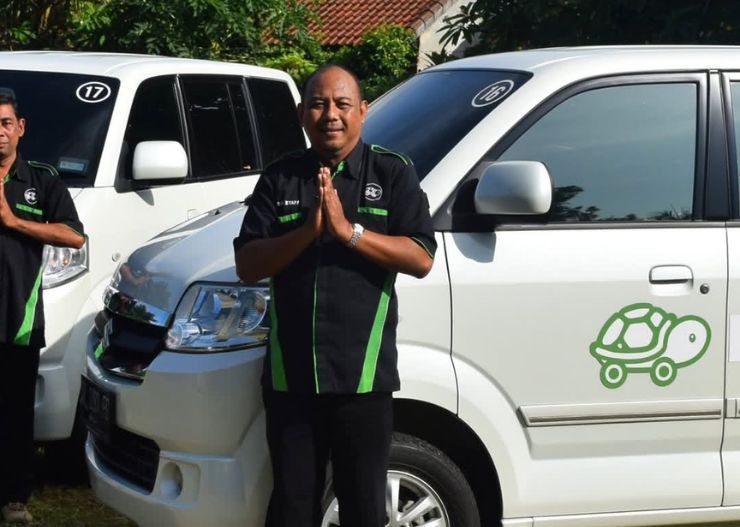
While Bali doesn’t have an extensive bus network for tourists, there are a few shuttle services connecting major destinations. One of the better-known options is the Kura-Kura Bus, which links several popular areas such as Kuta, Sanur, and Ubud.
The service is affordable and can be useful for travelers moving between these locations.
Typical fares are around:
- 100,000 IDR (about $6 USD) for a one-way trip
- 160,000 IDR (about $10 USD) for a return ticket on the same day
The biggest limitation is that buses operate on fixed schedules and usually run only a few times daily. Because of this, they are not always the most flexible choice for how to get around in Bali.
5. Public Bus Transportation
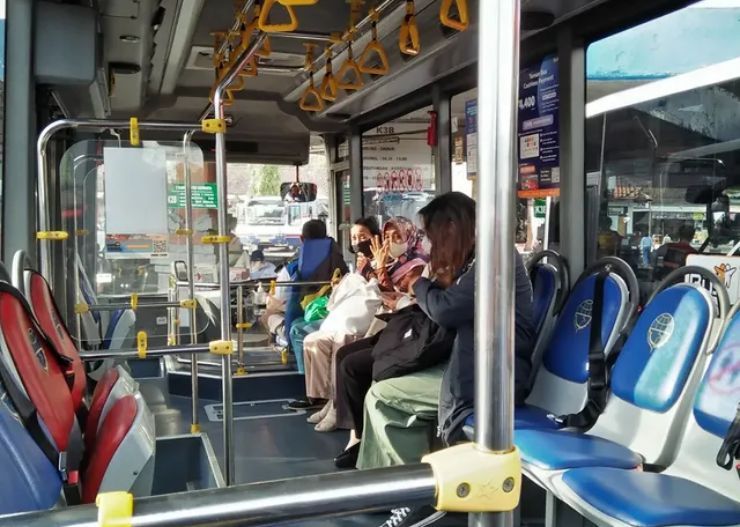
Bali does have a public bus system, although it’s not widely used by international travelers.
Some routes operate in South Bali, connecting areas like Denpasar, Kuta, the airport, Sanur, and parts of Ubud.
Tickets are extremely cheap, typically around 4,400 IDR, which is less than one US dollar.
Despite the low cost, public buses can be difficult for visitors to navigate because:
- Routes are limited
- Schedules may change
- Most information is available only in Indonesian
For this reason, travelers usually rely on private transportation instead when deciding how to get around in Bali.
Final Take
Understanding how to get around in Bali can make a big difference in how smoothly your trip goes. Because the island lacks extensive public transport, most visitors rely on a combination of transportation methods depending on their plans.
For example:
- Private drivers are ideal for full-day sightseeing trips
- Scooters give you independence for short distances
- Ride-hailing apps work well for quick trips around town
While buses and shuttles do exist, they are less commonly used by travelers.
Once you get familiar with these options, exploring Bali becomes surprisingly easy. With a bit of planning, you’ll be able to move between beaches, temples, rice fields, and towns without much difficulty.
Something wrong? Tell us