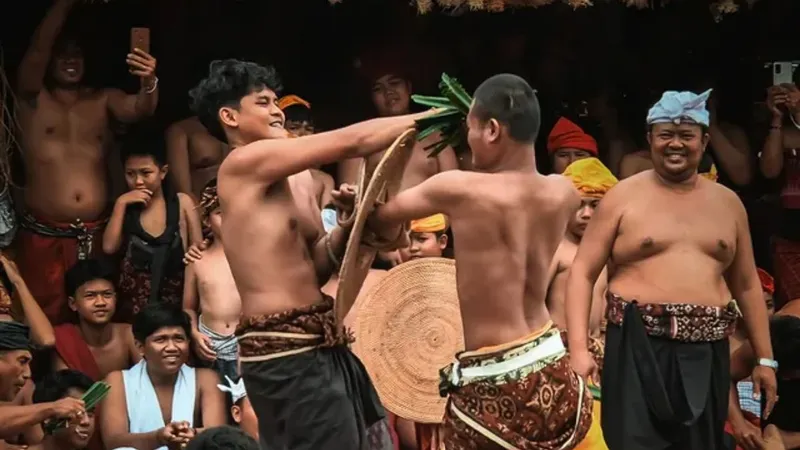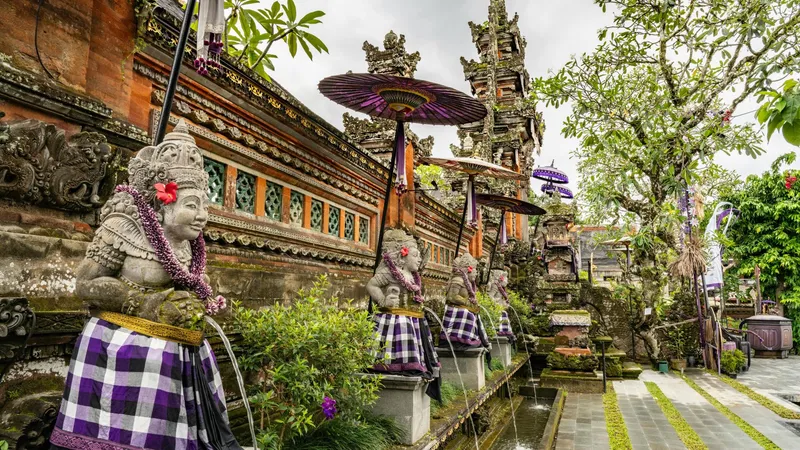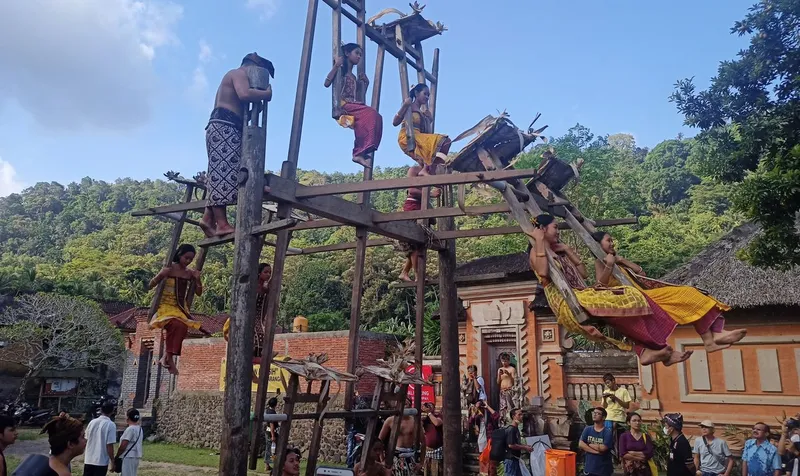
If you’ve spent any time exploring Bali, you’ve probably come across a temple adorned with colorful decorations, seen women balancing towering offerings on their heads, or noticed entire villages dressed in traditional ceremonial attire. If so, there’s a good chance you witnessed an odalan ceremony, one of the most important religious traditions in Balinese Hinduism.
For many travelers, the odalan ceremony offers a side of Bali that goes far beyond beach clubs, luxury resorts, and Instagram-famous viewpoints. Unlike cultural performances created primarily for visitors, the odalan ceremony is a living tradition that remains an essential part of daily life across the island.
What makes it even more remarkable is how frequently it takes place. With thousands of temples spread throughout Bali, an odalan ceremony is happening somewhere on the island almost every day.
Understanding the meaning behind an odalan ceremony can transform the way you experience Bali. It reveals the spiritual foundation that still shapes the island’s culture, communities, and everyday life.
Key Takeaways
- Odalan is a temple anniversary ceremony that serves as one of the most important religious traditions in Balinese Hinduism.
- Ceremonies take place every 210 days according to Bali’s Pawukon calendar, which means odalan celebrations occur somewhere on the island almost daily.
- An odalan ceremony combines prayer, offerings, music, dance, and community gatherings, reflecting the spiritual and cultural heart of Balinese life.
- Visitors can attend many odalan ceremonies, provided they dress appropriately, respect temple customs, and observe the event with cultural sensitivity.
What Is an Odalan Ceremony?
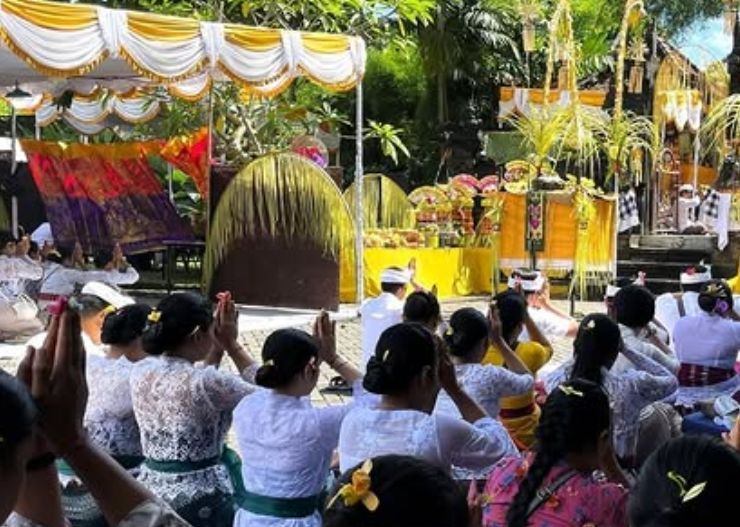
An odalan ceremony, sometimes referred to as a Piodalan, is the anniversary celebration of a Balinese Hindu temple.
The ceremony commemorates the temple’s founding or consecration date and serves as a spiritual renewal for both the temple and the community connected to it. During an odalan ceremony, Balinese Hindus believe divine forces descend upon the temple, making it an especially sacred time for prayer, offerings, and worship.
Unlike birthdays or anniversaries in Western cultures, an odalan ceremony does not follow the Gregorian calendar. Instead, it follows Bali’s traditional Pawukon calendar, which operates on a 210-day cycle.
As a result, each temple celebrates its odalan ceremony approximately every 210 days rather than once per calendar year. Since Bali is home to thousands of temples, ceremonies are constantly taking place somewhere across the island.
The Spiritual Meaning Behind an Odalan Ceremony
To fully appreciate an odalan ceremony, it helps to understand the role temples play in Balinese Hinduism.
In Bali, temples are far more than places of worship. They are considered living spiritual spaces where divine energy resides. An odalan ceremony serves as both a celebration and a renewal, allowing communities to honor the gods, ancestral spirits, and protective deities associated with the temple.
The tradition is closely connected to the Balinese philosophy of Tri Hita Karana, which emphasizes harmony between people, nature, and the spiritual world.
This philosophy influences nearly every aspect of life on the island, from agriculture and architecture to ceremonies and daily rituals.
For local communities, an odalan ceremony is not simply a religious obligation. It is also an opportunity to strengthen community ties, preserve cultural traditions, and pass generations of knowledge from parents to children.
When Does an Odalan Ceremony Take Place?
One of the most unique aspects of an odalan ceremony is its timing.
Rather than following a standard international calendar, Balinese Hindus use the Pawukon calendar, which consists of a repeating 210-day cycle. Every temple has its own ceremonial anniversary date based on this system.
As a result:
- Different temples celebrate odalan ceremonies on different dates
- Multiple ceremonies can take place on the same day
- Some temple festivals last several days
- Major celebrations can attract thousands of worshippers
Large temples such as Besakih Temple, Tanah Lot, and Uluwatu Temple often host some of the island’s most significant odalan ceremonies, drawing worshippers from across Bali.
What Happens During an Odalan Ceremony?
While every temple follows its own customs and traditions, most odalan ceremonies share several key elements.
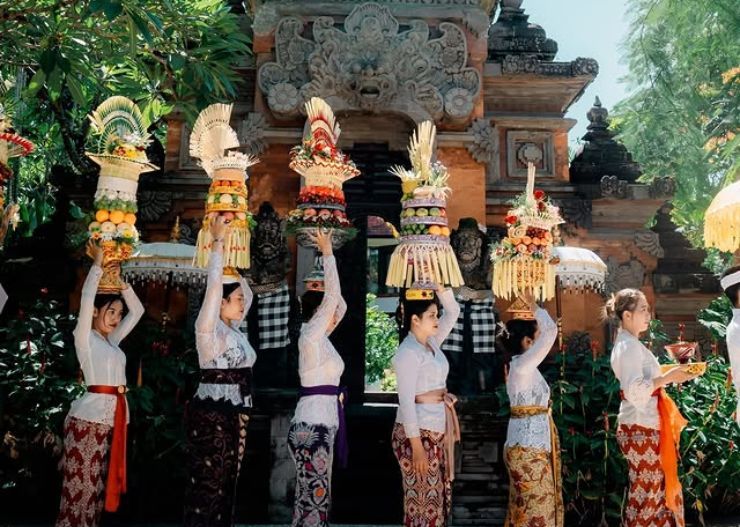
Preparation often begins days before the official celebration. Families create intricate offerings made from flowers, fruit, rice, palm leaves, and symbolic decorations. Temple grounds are cleaned, decorated, and prepared for the arrival of worshippers.
Once the ceremony begins, the atmosphere becomes both festive and deeply spiritual.
1. Offerings and Prayers
Offerings sit at the heart of every odalan ceremony.
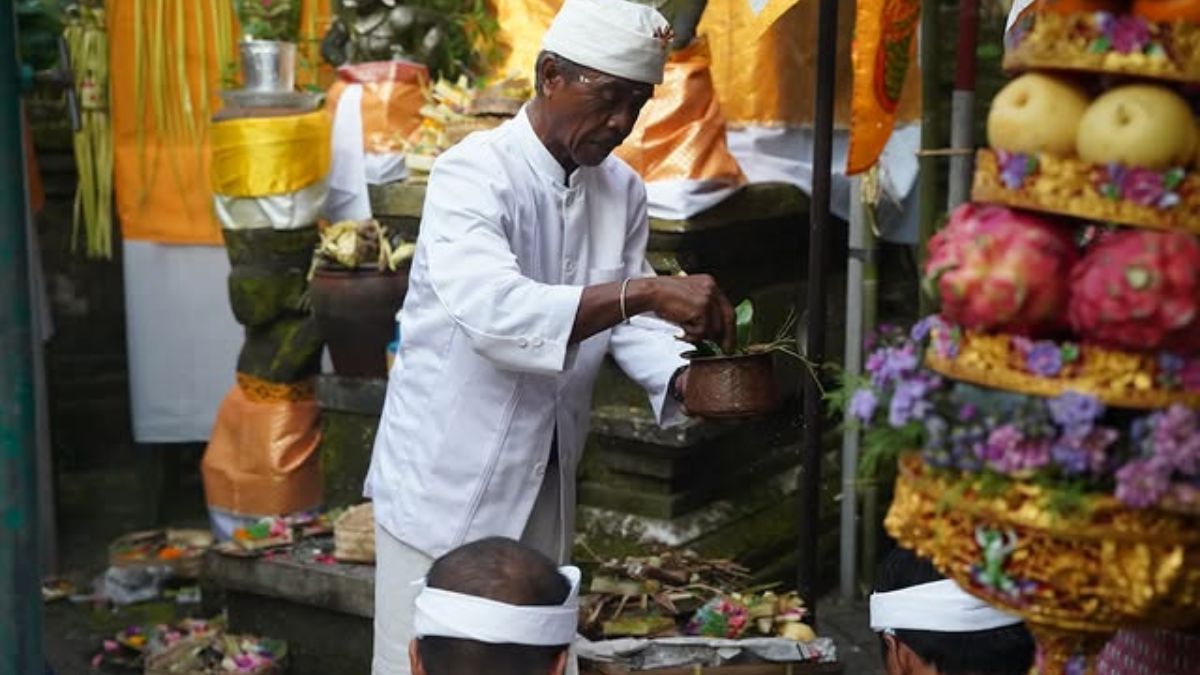
Balinese families bring beautifully arranged offerings to the temple as expressions of gratitude, devotion, and respect. These offerings symbolize the ongoing relationship between the human and spiritual worlds.
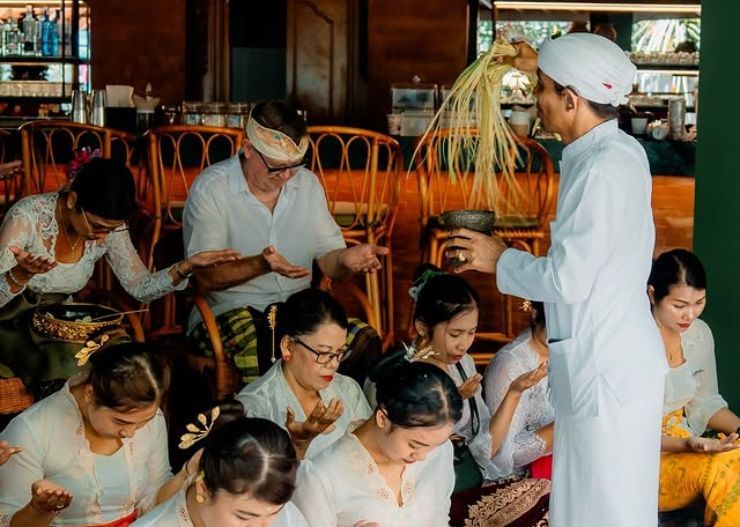
Throughout the day, worshippers gather for communal prayers led by Hindu priests, creating an atmosphere of reverence, reflection, and unity.
2. Traditional Music and Dance
An odalan ceremony is not only a religious event. It is also an important cultural celebration.
The sound of a gamelan orchestra often fills temple courtyards, creating the unmistakable atmosphere many travelers associate with Bali. Traditional dances are frequently performed as sacred offerings rather than public entertainment.
Depending on the scale of the celebration, visitors may witness Barong performances, Legong dance, topeng masked dance, and wayang kulit shadow puppet performances.
These art forms have been connected to temple rituals for centuries and remain a vital part of Balinese cultural identity.
3. Community Gatherings
Beyond its religious significance, an odalan ceremony serves as an important social gathering.
Families reunite, neighbors spend time together, and entire communities come together to celebrate. In many villages, the ceremony reinforces the strong communal bonds that remain central to Balinese life.
This blend of spirituality, culture, and community is one of the reasons an odalan ceremony feels so unique compared to many religious festivals around the world.
Can Tourists Attend an Odalan Ceremony?
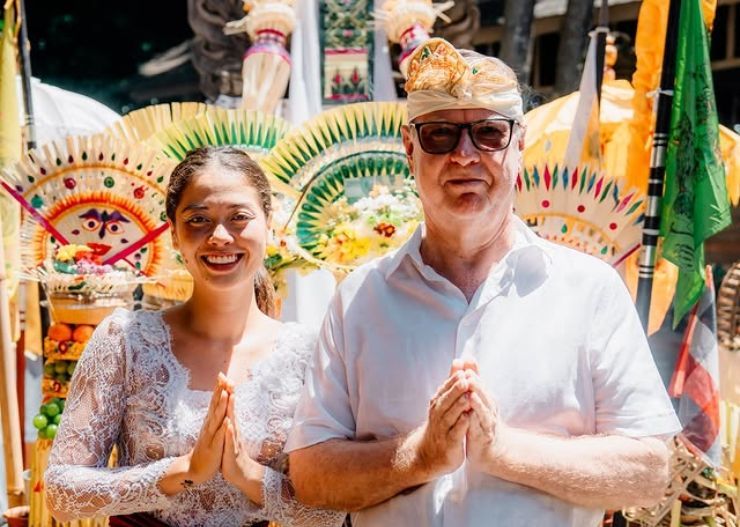
Yes, visitors are generally welcome to observe an odalan ceremony, provided they do so respectfully.
Many travelers consider attending an odalan ceremony one of the most memorable cultural experiences in Bali because it offers a genuine glimpse into everyday Balinese life rather than a staged attraction designed for tourism.
That said, there are several important etiquette guidelines to keep in mind.
1. Dress Appropriately
Anyone entering a temple during an odalan ceremony is expected to wear proper temple attire.
This typically includes a sarong, sash tied around the waist, and clothing that covers the shoulders. Many temples offer sarong rentals for visitors who arrive unprepared.
2. Respect Sacred Areas
Not every part of a temple is open to the public.
Certain inner courtyards and sanctuaries may be reserved exclusively for worshippers participating in the ceremony. Visitors should always follow local guidance and avoid entering restricted areas.
3. Be Respectful With Photography
Photography is usually permitted, but it should never interfere with the ceremony itself.
Avoid standing in front of worshippers during prayer, blocking ceremonial processions, or using flash photography in sacred areas.
When in doubt, ask for permission. Most locals appreciate visitors who show genuine respect for their traditions.
Why the Odalan Ceremony Remains Important Today
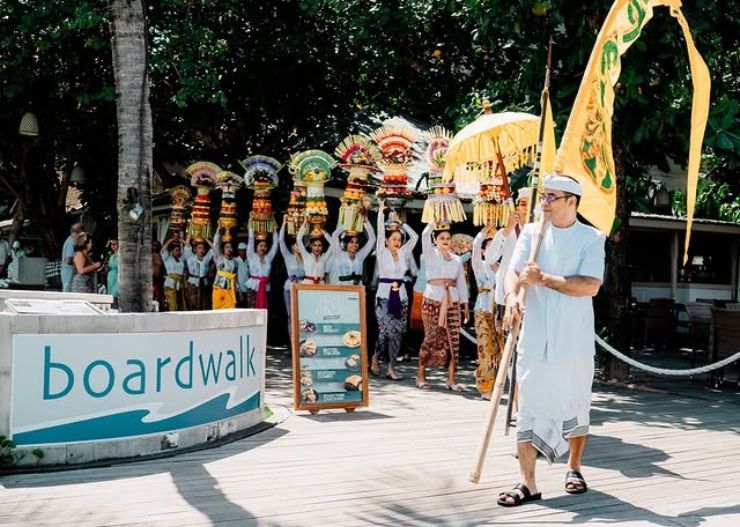
Despite Bali’s rapid development and thriving tourism industry, the odalan ceremony continues to play a central role in Balinese life.
The tradition reflects how deeply religion remains integrated into everyday routines across the island. While visitors often focus on beaches, nightlife, and luxury resorts, local communities still organize much of their lives around temple obligations, ceremonial calendars, and religious traditions.
For younger generations, the odalan ceremony also serves as an important link to cultural heritage.
Children participate alongside parents and grandparents, learning rituals, customs, and traditions that have been preserved for centuries.
In an increasingly modern world, these ceremonies help maintain a strong sense of identity, continuity, and community.
Experiencing an Odalan Ceremony as a Traveler
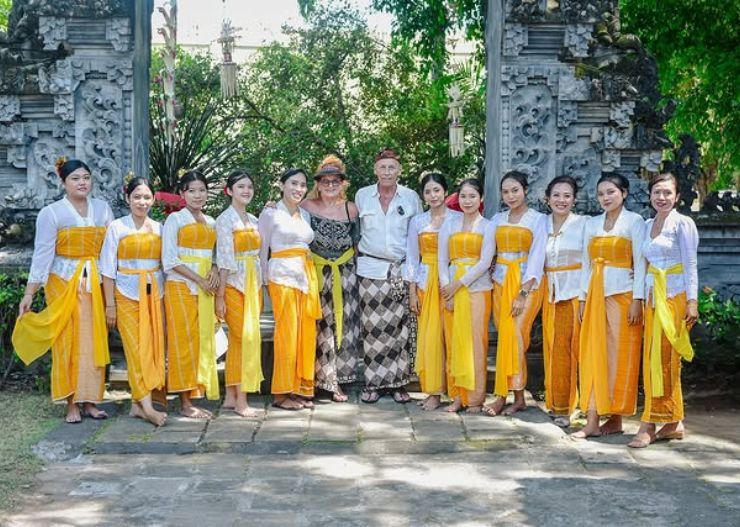
If you’re planning a trip to Bali, experiencing an odalan ceremony can provide a much deeper understanding of the island’s culture.
One of the easiest ways to find a ceremony is by asking local residents, hotel staff, guides, or drivers if any temple celebrations are taking place nearby during your stay. Since odalan ceremonies occur so frequently across Bali, there’s a good chance you’ll encounter one without even planning for it.
The key is to approach the experience as a guest rather than a spectator.
Take time to observe, learn, and appreciate the significance of what is happening around you. The more respectfully you engage with an odalan ceremony, the more meaningful the experience is likely to be.
Why Experiencing an Odalan Ceremony Is Worth It
An odalan ceremony is far more than a temple anniversary celebration.
It represents the spiritual heartbeat of the island.
Through prayers, offerings, music, dance, and community participation, the odalan ceremony reflects the values that continue to shape Balinese life today. It serves as a reminder that beyond Bali’s thriving tourism industry lies a deeply rooted culture where faith, tradition, and community remain inseparable.
For travelers hoping to connect with the Island of the Gods on a deeper level, witnessing an odalan ceremony is one of the most rewarding and unforgettable cultural experiences Bali has to offer.
FAQs
Something wrong? Tell us