Bali is home to countless ceremonies and cultural traditions, but few are as visually striking or culturally significant as the Mekare Kare Festival. Often called the Pandan War, or Perang Pandan, this centuries-old ritual takes place in the traditional village of Tenganan Pegringsingan in East Bali and offers a rare glimpse into the traditions of the Bali Aga people, the island’s original inhabitants.
Unlike modern festivals centered on entertainment, Mekare Kare is a sacred religious ceremony deeply rooted in spirituality, community identity, and cultural preservation. Participants engage in ritual combat using thorn-covered pandan leaves and woven rattan shields, creating one of Bali’s most unique cultural spectacles. Despite its fierce appearance, the event isn’t about defeating an opponent. Instead, it serves as an act of devotion, courage, and respect for Dewa Indra, the Hindu god of war.
For travelers looking to experience authentic Balinese culture beyond the beaches and resorts, the Mekare Kare Festival remains one of the island’s most fascinating traditions.
In this guide, we’ll break down everything you need to know before visiting this festival.
Key Takeaways
- The Mekare Kare Festival is a sacred Bali Aga tradition held in Tenganan Pegringsingan, where participants engage in ritual combat using thorn-covered pandan leaves to honor Dewa Indra, the Hindu god of war.
- More than a cultural spectacle, the festival symbolizes bravery, community unity, and spiritual devotion, helping preserve centuries-old customs that remain an important part of village life today.
- Visitors can experience one of Bali’s most authentic cultural events by attending the festival, typically held between May and June, while respecting local customs and traditions.
What Is the Mekare Kare Festival?
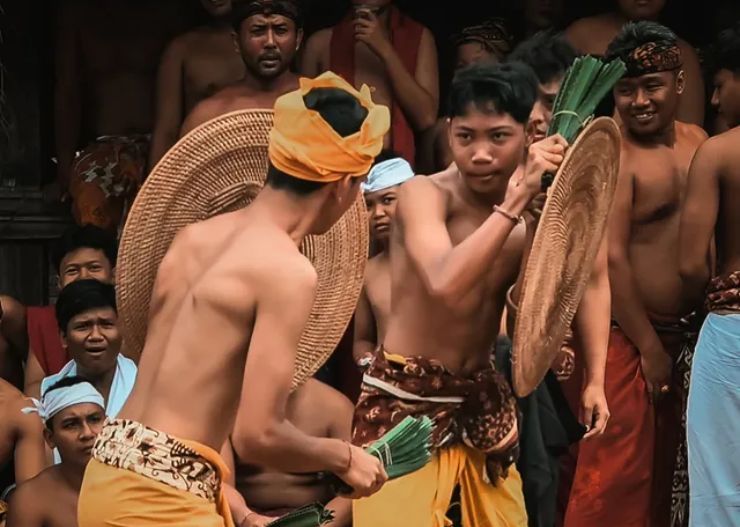
Mekare Kare, also known as Mageret Pandan or Perang Pandan, is a ceremonial ritual performed exclusively in Tenganan Pegringsingan, one of Bali’s best-preserved Bali Aga villages in Karangasem Regency. The festival is part of a larger traditional celebration known as Usaba Sambah, one of the most important events in the village’s annual ceremonial calendar.
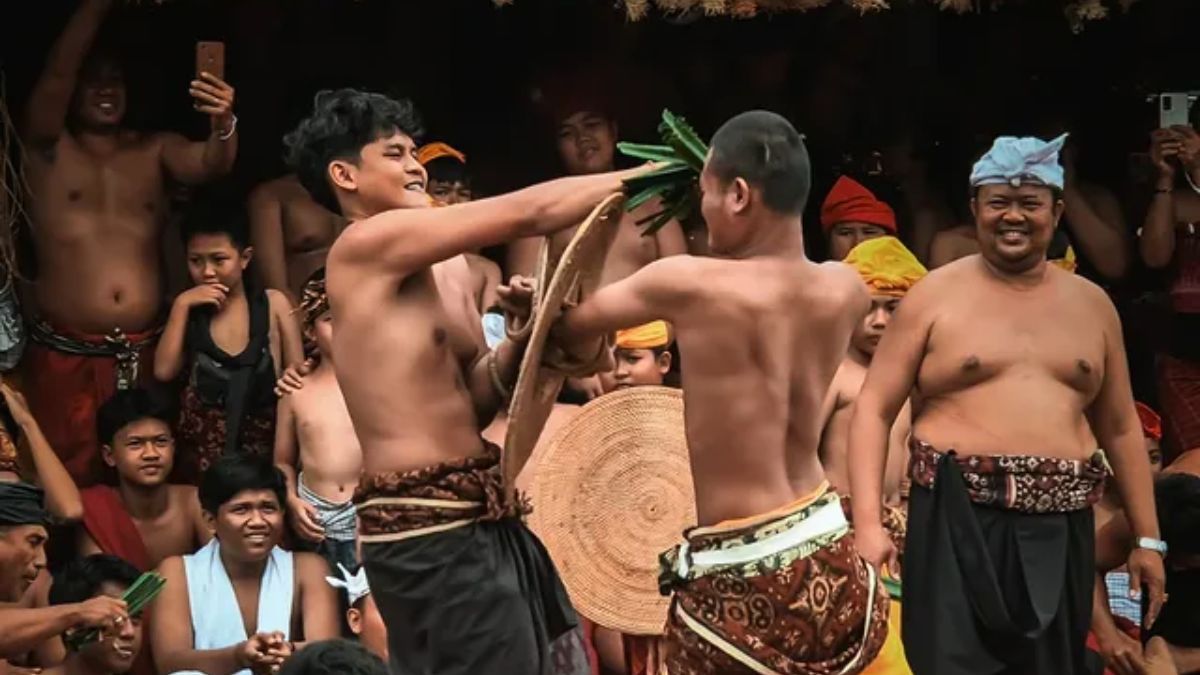
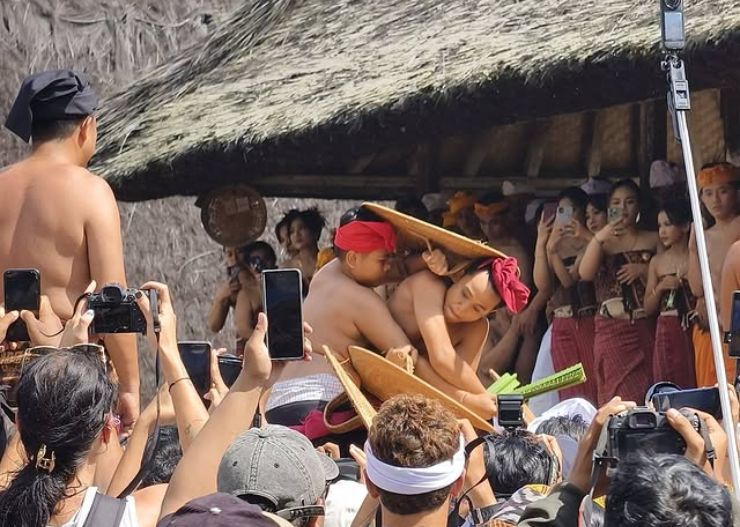
The centerpiece of the festival is the ritual battle itself. Male participants, often bare-chested and dressed in traditional sarongs, face one another in friendly combat while wielding bundles of thorn-covered pandan leaves and carrying woven rattan shields for protection. The sharp thorns frequently leave scratches and minor wounds, but these injuries are accepted as part of the sacred ritual.
While it may look like a physical contest to outsiders, the ritual is actually a symbolic expression of bravery, honor, and spiritual devotion.
The Origins of Mekare Kare
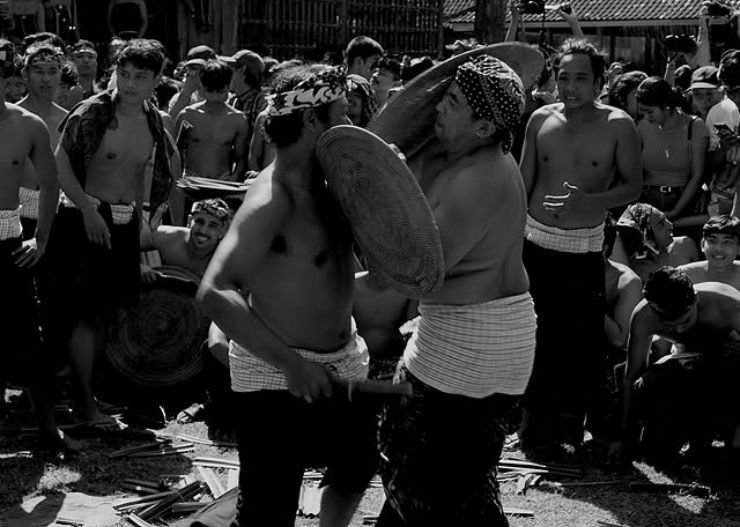
To understand the significance of the festival, it helps to know a little about the history of Tenganan Pegringsingan.
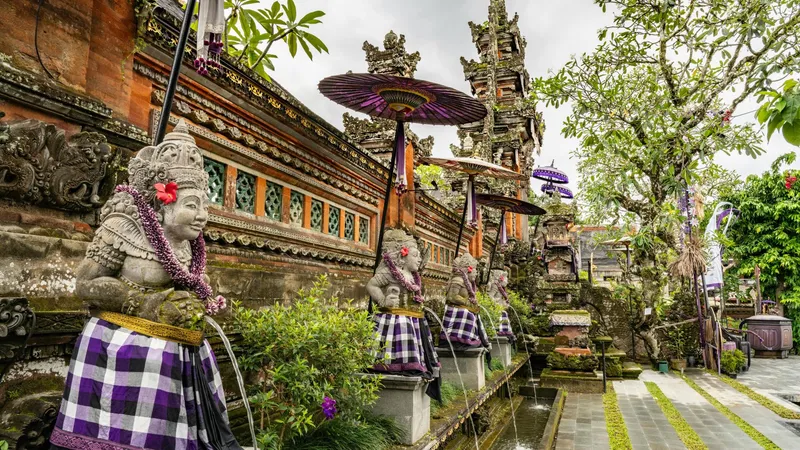
Unlike much of Bali, which was heavily influenced by the Majapahit Kingdom from Java during the 14th century, Tenganan has preserved many of its pre-Majapahit traditions. The village is home to the Bali Aga people, descendants of Bali’s earliest inhabitants who continue to maintain ancient customs, social structures, and ceremonial practices.
Mekare Kare is closely connected to the worship of Dewa Indra, who is regarded as the god of war and protector of the village. According to local belief, the ritual serves as an offering and expression of gratitude to Indra for protecting the community and maintaining harmony within village life.
For the people of Tenganan, the ceremony is far more than a cultural performance. It is a living tradition that reinforces community values, cultural identity, and a connection to their ancestors.
What Happens During the Pandan War?
The ritual battle is undoubtedly the most famous part of the festival, but it represents only one element of a much larger ceremonial process.
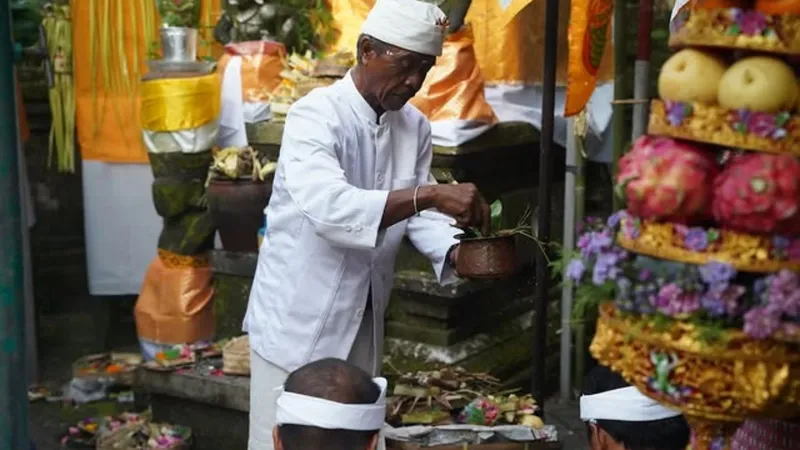
Before the combat begins, participants gather for prayers, rituals, and preparations associated with the Usaba Sambah ceremony. Traditional music accompanies many of the proceedings, while villagers wear ceremonial attire that reflects the community’s unique heritage.
Once the battle begins, pairs of participants step into a designated area and face off using bundles of thorn-covered pandan leaves as weapons. The goal isn’t to inflict serious harm but rather to demonstrate courage, resilience, and commitment to tradition. Matches are typically brief, and participants often embrace afterward, reinforcing the strong sense of community behind the ritual.
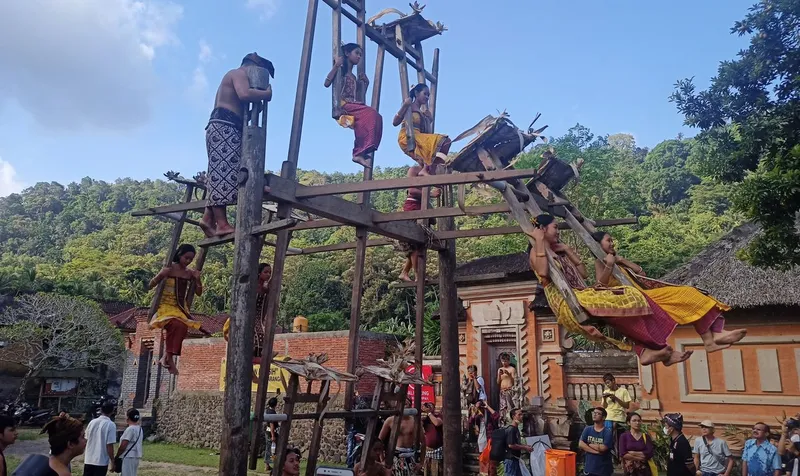
Following the battles, participants commonly receive traditional herbal treatments made from natural ingredients to help soothe scratches caused by the pandan thorns. Afterward, the atmosphere shifts from ritual combat to community celebration, with social gatherings, traditional activities, and shared meals among villagers.
This transition highlights one of the festival’s most important messages: unity and harmony matter more than competition.
When Is the Mekare Kare Festival Held?
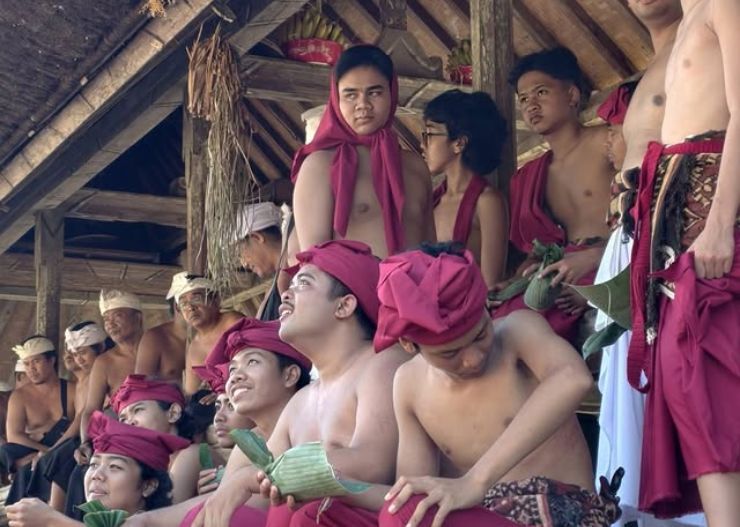
Unlike festivals that follow a fixed annual date, the timing of Mekare Kare is determined by the traditional calendar used by the people of Tenganan.
The ceremony is generally held during the fifth month of the Bali Aga calendar, which typically falls between May and June on the Gregorian calendar. The exact dates can vary from year to year based on local calculations and ceremonial schedules.
Recent celebrations have taken place in June as part of the annual Usaba Sambah festivities. Travelers planning to attend should confirm dates with local tourism authorities or village organizers closer to their travel dates.
Because the festival attracts both local and international visitors, accommodations in nearby areas such as Candidasa can fill up quickly during the celebration period.
Why the Festival Remains Important Today
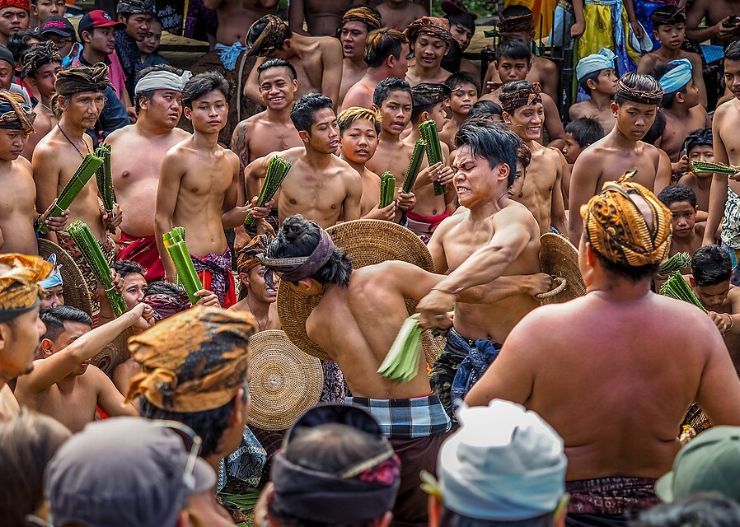
As Bali continues to grow as an international tourism destination, traditional ceremonies like Mekare Kare Festival play an important role in preserving cultural identity.
Many communities across the island face the challenge of balancing tourism development with cultural preservation. Tenganan Pegringsingan has largely succeeded in maintaining its traditions while still allowing visitors to respectfully observe important ceremonies.
Mekare Kare is a powerful example of a living cultural tradition. Rather than being recreated solely for tourists, the ritual remains an active and meaningful part of village life. Younger generations continue to participate, ensuring the tradition remains relevant and respected within the community.
This commitment to authenticity is one of the reasons the festival continues to fascinate cultural travelers, historians, and researchers from around the world.
Tips for Visiting the Mekare Kare Festival
If you’re planning to attend the festival, showing respect for local customs is essential.
Visitors should dress modestly, follow community guidelines, and avoid disrupting ceremonial activities. Since Mekare Kare is a sacred event rather than a staged performance, observing quietly and respectfully helps preserve both the atmosphere and significance of the ceremony.
Villagers generally welcome respectful visitors who show a genuine interest in learning about their traditions and culture.
Photography is usually permitted, but visitors should remain aware of their surroundings and avoid interfering with participants or ritual proceedings. Taking photos respectfully and from appropriate viewing areas is always encouraged.
Arriving early is also a good idea, as the village can become crowded during peak festival periods.
Mekare Kare: A Living Tradition in Modern Bali
The Mekare Kare Festival is much more than Bali’s famous pandan war. It is a centuries-old expression of faith, courage, and cultural identity that continues to thrive in one of the island’s most traditional communities.
For the people of Tenganan Pegringsingan, the ritual honors Dewa Indra while strengthening community bonds and preserving the customs of their ancestors. For visitors, it offers a rare opportunity to witness a living tradition that has remained remarkably intact despite the rapid modernization surrounding it.
The Mekare Kare Festival remains one of Bali’s most fascinating cultural events and continues to offer visitors a unique window into the island’s rich heritage.
If you want to experience a deeper side of Balinese culture, attending the Mekare Kare Festival could easily become one of the most memorable parts of your trip.
FAQs
Something wrong? Tell us