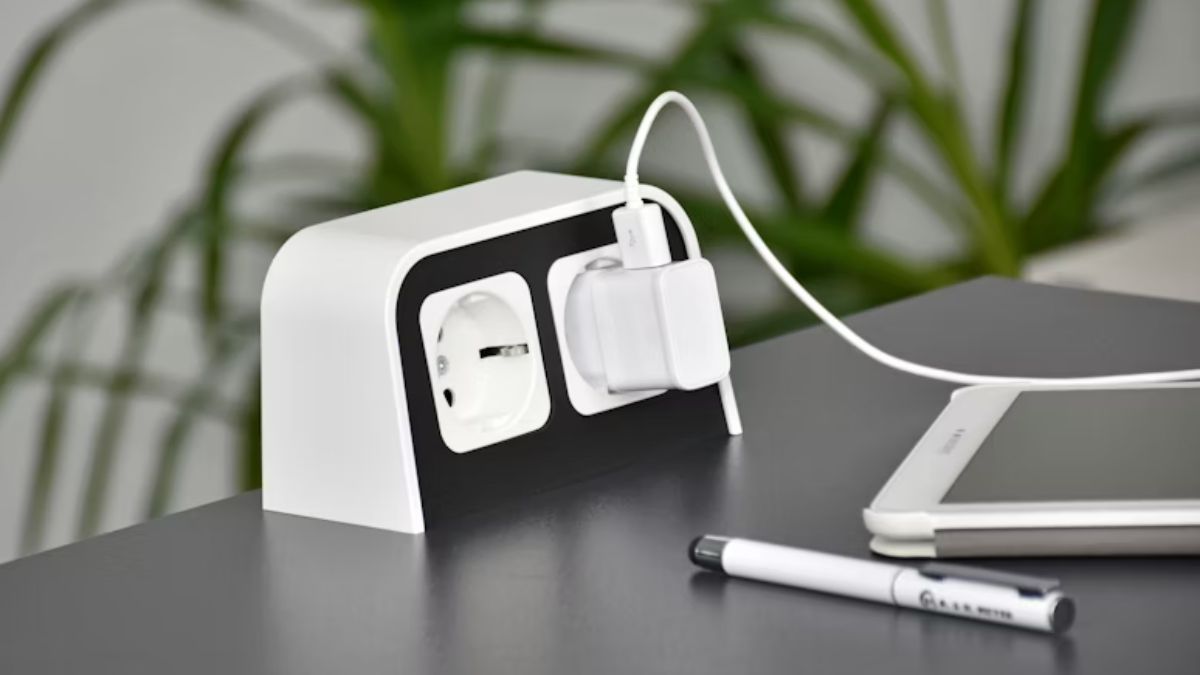
It’s one of those things nobody thinks about until it suddenly becomes a problem. You land in Bali, your phone is at 8 percent, you reach for the charger… and yeah, it doesn’t fit. Or worse, it fits, but your device starts heating up like it’s about to give up on life.
That’s why understanding the Bali power plugs before your trip matters more than people expect. It’s not complicated, but if you ignore it, it can mess up your first day fast.
In this guide, we’ll break everything down in a way that actually makes sense, based on how things actually work in Bali right now.
What Power Plugs Are Used in Bali?
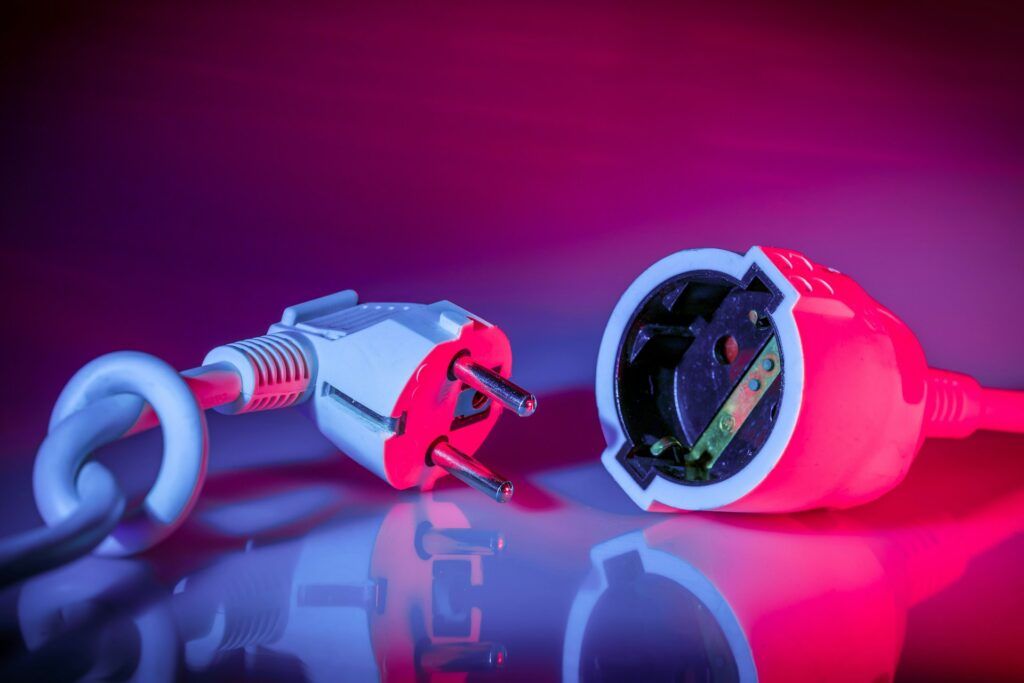
Let’s keep it simple. Bali uses the same plug types as most of Europe.
You’ll be using Type C and Type F plugs. Both use two round pins, not the flat ones you’ll see in the US or Canada. Type C is the basic version, while Type F adds grounding clips on the sides. In real life though, most sockets in Bali accept both, so you don’t really need to overthink the difference.
Once you understand that, the whole Bali power plugs situation already feels way less confusing.
Voltage in Bali: This Is the Part That Actually Matters
Plug shape is one thing, but voltage is where people mess up.
Bali runs on 230 volts with a 50Hz frequency. If you’re coming from the US, Canada, or Japan, that’s a big jump. Those countries use lower voltage, which means not every device can handle Bali’s system.
Here’s the deal. If your device isn’t built for 230V and you plug it in, it can overheat or straight up die. Not ideal when you’re halfway through a trip.
So yeah, understanding voltage is just as important as knowing the shape of the Bali power plugs.
Do You Need a Power Adapter?
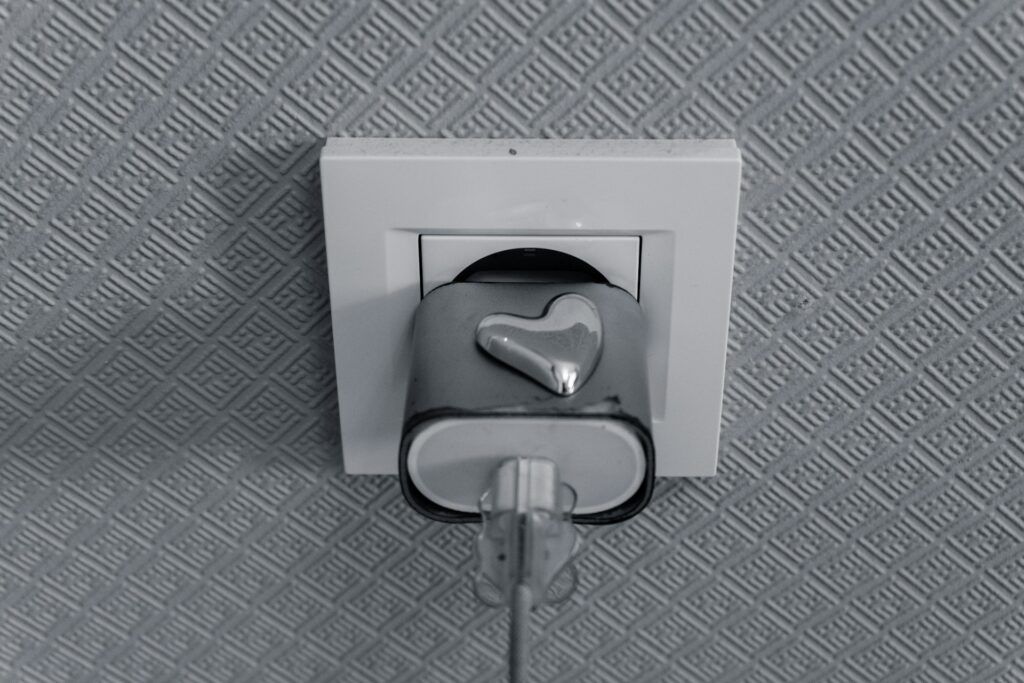
For most travelers, the answer is yes.
If you’re coming from the US, UK, Australia, or most of Asia, your plugs won’t match what Bali uses. You’ll need an adapter so your charger can physically fit into the socket.
If you’re coming from Europe, you’re probably good to go since the plug types are the same.
You can buy adapters in Bali, but honestly, it’s better to bring one with you. Airport prices are higher, and the quality can be hit or miss. A solid adapter from home saves you the hassle.
Do You Need a Voltage Converter?
This is where things are often misunderstood.
Most people do not need a converter. Today’s electronics are built for global travel. If you check your charger and see something like “100-240V,” you’re fine. That includes phones, laptops, cameras, and tablets.
Where people run into trouble is with older or high-power devices. Think hair dryers, curling irons, or electric shavers. If those are built for 110V only, they’re not going to play nice with Bali’s system.
So while Bali power plugs are easy to deal with, voltage compatibility is where you actually need to pay attention.
What Outlets in Bali Look Like
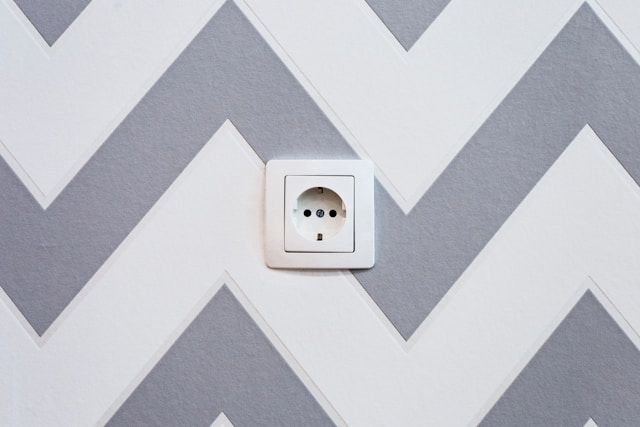
Outlets in Bali are pretty similar to what you’ll find in Europe. They’re round, slightly recessed, and designed for two round pins.
In newer hotels or villas, you might see universal sockets or even USB ports built into the wall. But don’t count on that everywhere. Budget places and older properties usually stick to the standard setup.
Bottom line, don’t assume your room will magically support every plug type. It’s better to come prepared.
Charging Your Devices in Bali
For the most part, charging your devices in Bali is smooth. But there are a few real-world things to keep in mind.
Power is generally stable, but short outages do happen, especially during storms or in less developed areas. It’s not constant, but it’s enough that you’ll notice it if you’re staying longer.
Voltage fluctuations can also happen occasionally. Nothing dramatic, but enough that using a decent adapter or a small surge protector is a smart move.
Also, not all adapters are created equal. Cheap ones can feel loose, overheat, or just stop working. Spending a little extra on a reliable one is worth it, especially if you’re charging expensive gear.
Where to Buy Adapters in Bali
If you forget your adapter, it’s not the end of the world.
You can find them at the airport, convenience stores, electronics shops, and supermarkets. The only downside is price. Anything near the airport or tourist-heavy areas tends to be marked up.
That’s why most experienced travelers just bring one ahead of time and skip the extra cost.
Common Mistakes Travelers Make

A lot of people assume power is universal everywhere. It’s not.
One of the biggest mistakes is thinking hotels will have universal outlets. Some do, but plenty don’t. Another common issue is ignoring voltage and plugging in devices that can’t handle 230V.
Hair tools are the usual victims here. People bring them from home, plug them in, and they either stop working or smell like something’s burning. That’s exactly not the vibe you want on vacation.
And yeah, grabbing the cheapest adapter you can find isn’t always the best move either.
Practical Tips That Actually Help
If you want to keep things simple, a few small steps go a long way.
Bring a universal adapter that works with Bali power plugs so you don’t have to think about compatibility. Check your device chargers before packing to confirm they support 230V. If you’re carrying multiple gadgets, having a multi-port adapter or a small power strip makes life easier.
It’s also not a bad idea to carry a power bank, especially for day trips. Bali traffic can be unpredictable, and being stuck somewhere with a dead phone isn’t fun.
Real-Life Example
Let’s say you’re coming from the US.
Your phone charger and laptop will work just fine because they support dual voltage. You’ll just need an adapter so they fit into the socket.
Your hair dryer though? That’s where things can go sideways. If it’s not dual voltage, you’ll either need a converter or just use one provided by your hotel.
In most cases, dealing with Bali power plugs is as simple as bringing the right adapter and not overthinking it.
Dealing With Bali Power Plugs is Easier Than You Think
Dealing with Bali power plugs isn’t complicated at all, but it’s one of those details that can trip you up if you ignore it.
The system hasn’t changed. You’re working with Type C and Type F outlets, plus 230V electricity. Once you understand that, everything else becomes pretty straightforward.
Bring a good adapter, double-check your devices, and skip the cheap gear. Do that, and you won’t have to think about power again for the rest of your trip.
Something wrong? Tell us